
Medically Reviewed by Dr. Mehrshad Yousefi, FIDIA on September 30, 2026
Chipped edges, deep discoloration, small gaps, and teeth that simply look wrong in proportion to the rest of your smile — these are the kinds of imperfections that show up in every photo and every mirror. They are also the exact problems that porcelain veneers were designed to address. Understanding how they work, what makes them effective, and what the process actually involves helps you make an informed decision about whether they are the right fit for your goals.
At Lumiere Orlando Dentistry in Maitland, Dr. Mehrshad Yousefi brings over 250 hours of post-graduate training in cosmetic dentistry and holds a Fellowship in Implant Dentistry (FIDIA). That depth of specialized training directly shapes how every veneer case is designed and placed — with precision, proportion, and long-term durability as the standard.
The Science and Composition of Porcelain Veneers
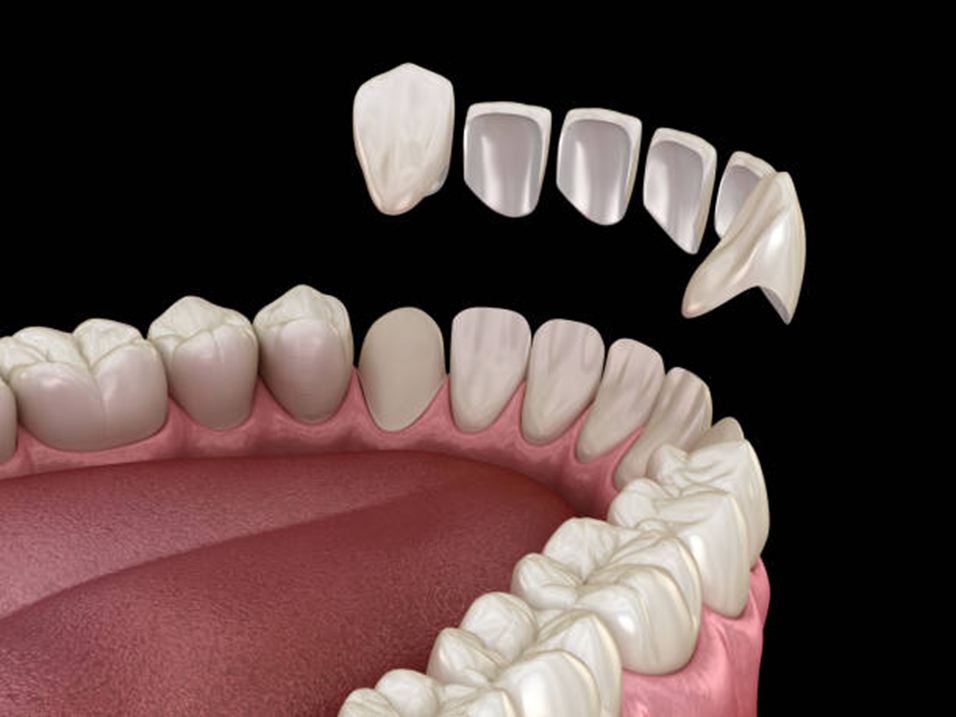
Porcelain veneers are ultra-thin, custom-crafted ceramic shells designed to cover the front surface of individual teeth. The material mimics the light-reflecting properties of natural tooth enamel — meaning veneers do not look opaque or artificial the way older cosmetic approaches sometimes did. Each shell is fabricated in a specialized dental laboratory from specifications unique to the patient’s mouth and aesthetic goals.
Why porcelain is the preferred material. Porcelain is highly favored in aesthetic dentistry because of its durability and translucency. It resists staining from coffee, tea, and other pigment-heavy foods far better than composite resin alternatives. It is also biocompatible, meaning it integrates well with gum tissue and does not cause the inflammation that inferior materials sometimes trigger over time.
How veneers bond to your teeth. The bonding process uses a specialized dental adhesive that creates a strong, permanent seal between the ceramic shell and the underlying enamel. The result is a restoration that behaves mechanically like a natural tooth — stable during chewing, speaking, and normal daily activity. Properly bonded veneers do not flex, shift, or feel loose.
Customization for a natural appearance. Every set of veneers is unique to the patient. Dental technicians work from detailed specifications to select the exact shade, translucency, shape, and length. This level of customization ensures the final result complements the patient’s facial structure and skin tone rather than looking like a uniform, artificial overlay.
Common Dental Issues Porcelain Veneers Address
Porcelain veneers are not purely cosmetic. They also reinforce teeth weakened by minor cracks or surface wear, providing a protective layer that reduces the risk of further damage. The following are among the most common concerns that veneers are used to correct:
- Severe discoloration: Deep stains from medications, trauma, or fluorosis that bleaching cannot reach are permanently hidden behind a new ceramic surface.
- Structural gaps: Small spaces and “black triangles” between teeth can be closed without the time commitment of orthodontic treatment.
- Chipped or worn edges: Porcelain restores the original contour of a damaged tooth, including teeth worn down by grinding or acid erosion.
- Minor misalignment: By adjusting thickness and angle across the arch, veneers can create the appearance of a straighter smile without braces.
- Disproportionate teeth: Teeth that are naturally small, short, or oddly shaped can be lengthened or widened to create a more balanced and harmonious appearance.
The ability to address multiple concerns simultaneously in a single treatment course makes veneers an efficient option for patients whose smile goals involve more than one issue. A thorough consultation establishes which concerns a veneer solution can address and whether any supporting treatment is recommended first.
Resolving severe discoloration. Internal staining caused by tetracycline use during development or by dental trauma often resists all forms of bleaching. With porcelain, that staining is completely concealed behind a radiant ceramic surface — permanently, without the need for ongoing whitening maintenance.
Correcting tooth proportions. Patients with naturally small or misshapen teeth often find that addressing proportion has an unexpectedly rejuvenating effect on the entire face. Slightly longer, wider, or better-shaped teeth change how the smile interacts with the lips, cheeks, and overall facial balance.
Closing diastemas. Veneers designed to be slightly wider than the original teeth close gaps effectively while maintaining natural-looking proportions — an option for patients who want an improved smile without committing to the timeline of orthodontics.
Who Is a Good Candidate for Porcelain Veneers?
Porcelain veneers produce outstanding results for many patients, but the procedure is not universally appropriate. The candidacy evaluation at Lumiere Orlando Dentistry focuses on both clinical factors and personal goals to ensure the investment makes sense long-term.
Characteristics of a strong candidate. The best candidates for veneers have healthy gums and sufficient enamel on the front surfaces of their teeth. Cosmetic concerns that veneers address well include deep staining that whitening cannot resolve, minor chips, slight size or shape irregularities, and small gaps between teeth. Patients who are not active tooth grinders and who maintain consistent oral hygiene routines tend to see the longest-lasting results.
When veneers may not be the right fit. Patients with active gum disease, significant tooth decay, or severely worn enamel typically need foundational care before any cosmetic work is considered. Heavy clenching or grinding places stress on porcelain that exceeds the material’s tolerance over time. In those cases, a custom night guard or alternative treatment may be part of the recommended plan. Patients seeking major bite correction may achieve better long-term results with alignment treatment followed by minor cosmetic refinements.
The only way to confirm candidacy is through a comprehensive clinical exam. During your consultation, Dr. Yousefi evaluates bite mechanics, gum health, and enamel thickness before recommending a course of treatment. You can see examples of completed cases in our before and after gallery to get a sense of what is achievable.
The Transformation Process Step-by-Step
Placing porcelain veneers typically requires two to three appointments. Each step involves active collaboration so the patient understands what is happening and has input on the final outcome before anything permanent is placed.
1. Initial consultation and digital imaging. The first visit begins with a comprehensive exam covering gum health, bone structure, and the overall condition of the teeth being considered for treatment. Digital imaging allows patients to preview a simulation of their new smile — a useful tool for confirming aesthetic direction before any physical work begins.
2. Minimal tooth preparation. A small amount of enamel — typically around 0.5mm — is removed from the front surface of each tooth to create space for the veneer to sit flush with the gum line. Local anesthesia is used during this step to keep the patient comfortable throughout.
3. Impressions and temporary veneers. After preparation, an impression is taken and sent to the fabrication laboratory. Temporary covers are placed over the prepared teeth to protect them and maintain aesthetics while the permanent veneers are being crafted.
4. Permanent placement. When the final veneers arrive, each is checked against the prepared teeth for fit, shade, and proportion before bonding is completed. Any fine-tuning of shape or color occurs at this stage, before the adhesive is cured and the restoration becomes permanent.
5. Long-term maintenance. Porcelain veneers do not require a complex care routine. Brushing twice daily with a non-abrasive fluoride toothpaste, flossing, and attending regular professional cleanings are sufficient. Avoiding extreme pressure — such as biting ice or hard candy — protects the porcelain surface over time.
6. Diet and lifestyle considerations. While porcelain itself is highly stain-resistant, the bonding resin at the margins can discolor over time with heavy consumption of red wine, dark sodas, and similar pigmented beverages. Smoking increases the risk of gum recession and surrounding natural tooth discoloration, which can affect the overall appearance of the smile.
7. Gum health and longevity. Healthy gums are the foundation of any aesthetic dentistry result. Recession caused by gum disease can expose veneer margins, which disrupts the seamless appearance between porcelain and natural tissue. Maintaining periodontal health through regular care extends the functional and visual life of the restoration.
Porcelain Veneers vs. Crowns, Bonding, and Whitening
Understanding how veneers compare to other cosmetic options helps clarify whether they are the right solution for your specific concerns. Each treatment addresses a different set of problems, and the best choice depends on the type of damage present, how much natural tooth structure remains, and what outcome you are looking for.
Veneers vs. dental crowns. A dental crown covers the entire tooth from the gum line up, while a veneer covers only the front surface. Crowns are the appropriate choice when a tooth has lost significant structure due to fracture, decay, or a large existing restoration. Veneers preserve far more natural tooth enamel and are preferred when the underlying tooth is structurally intact and the concerns are cosmetic. According to the American Academy of Cosmetic Dentistry, veneers are among the most conservative options for achieving comprehensive aesthetic improvements on teeth that are otherwise healthy.
Veneers vs. composite bonding. Composite bonding uses a tooth-colored resin applied and sculpted directly in the office — no lab fabrication required. It is a good option for small chips or minor gaps, costs less, and can often be completed in a single visit. Porcelain veneers are fabricated in a laboratory and are more durable, more stain-resistant, and more consistent in appearance over time. For patients seeking a comprehensive smile transformation across multiple teeth, porcelain typically delivers longer-lasting results.
Veneers vs. teeth whitening. Professional teeth whitening is the right first step when the primary concern is surface staining and the natural shape, size, and structure of the teeth are not issues. Whitening cannot correct chips, gaps, or irregular proportions. For patients with both discoloration and structural concerns, whitening is often completed first so the veneer shade can be matched to the new, brighter baseline. Because porcelain does not respond to bleaching, the sequence matters.
What Sets Lumiere Orlando Dentistry Apart for Veneer Treatment
Choosing the right provider is critical when investing in porcelain veneers. The procedure requires both clinical precision and artistic judgment — an understanding of tooth anatomy, occlusion, and facial aesthetics that only comes from dedicated post-graduate training and hands-on experience with complex cosmetic cases.
Precision and artistic vision. At Lumiere Orlando Dentistry, the approach to cosmetic dentistry is guided by Dr. Yousefi’s clinical philosophy: Function First, Aesthetics with Intention, and Precision Through Technology and Training. Veneers are not designed in isolation — they are designed in the context of the patient’s full bite, existing restorations, and long-term oral health plan. The goal is always a result that looks right, feels natural, and lasts.
Patient-centered design. Every treatment plan begins with a thorough consultation where the dentist evaluates oral health, discusses aesthetic goals, and designs a solution tailored to the patient’s facial features and smile structure. Decisions about shade, shape, and length are made collaboratively — the patient’s input is part of the process, not an afterthought. For patients considering a full smile makeover, veneers often anchor a broader treatment plan that may include whitening, gum contouring, or other refinements.
Advanced technology for predictable results. From digital impressions to precise bonding protocols, the practice uses current-generation tools at each stage of the veneer process. Digital imaging, shade-matching technology, and minimally invasive preparation techniques all contribute to a more comfortable experience and more consistent long-term outcomes for patients throughout the Maitland and Orlando area.
Frequently Asked Questions About Porcelain Veneers
How long do porcelain veneers last?
With proper care, porcelain veneers typically last between 10 and 15 years. Longevity depends heavily on oral hygiene habits, bite forces, and lifestyle factors such as grinding or clenching. Patients who attend regular professional cleanings and wear a night guard when indicated often see their restorations last well beyond the typical range.
Is the veneer procedure painful?
Most patients experience little to no discomfort during the process. Local anesthesia is administered during the preparation appointment to ensure the tooth reduction phase is comfortable. Some patients notice mild sensitivity in the days following preparation while temporaries are in place, but this generally resolves once the permanent veneers are bonded.
Do porcelain veneers stain?
Porcelain itself is highly stain-resistant because the ceramic surface is non-porous. Coffee, tea, and red wine are far less likely to discolor porcelain than natural tooth enamel. However, the bonding resin used at the veneer margins can pick up some staining over time with heavy exposure to pigmented substances, which is why maintaining oral hygiene and attending regular cleanings matters for long-term appearance.
Can veneers be whitened once placed?
No. Porcelain and ceramic do not respond to bleaching agents. If you want to whiten your natural teeth, that should happen before the veneers are fabricated so the laboratory can match the porcelain to your new, brighter shade. Attempting to bleach after veneers are placed will lighten the natural teeth without affecting the veneer color, creating a noticeable mismatch.
How much enamel is removed for veneers?
Typically around 0.5mm — approximately the same thickness as the veneer shell itself. This minimal preparation is what allows the final restoration to sit flush with the gum line and adjacent teeth without appearing bulky. Because some enamel removal is required, veneers are considered an irreversible treatment, which is why a thorough consultation and patient education are important steps before proceeding.
Am I a good candidate for porcelain veneers?
Good candidates have healthy gums, sufficient enamel, and cosmetic concerns such as discoloration, minor chips, gaps, or proportion irregularities. Active gum disease or significant decay should be treated before any cosmetic work begins. Patients who grind or clench heavily may also need a night guard as part of their treatment plan. A comprehensive consultation with Dr. Yousefi is the only way to confirm candidacy based on your specific oral health and goals.
Schedule Your Consultation at Lumiere Orlando Dentistry
Porcelain veneers are among the most effective and durable solutions for transforming a smile that has been held back by discoloration, proportions, chips, or gaps. The results are long-lasting, natural-looking, and designed to complement your specific features rather than replace them with a generic aesthetic.
If you are ready to explore whether veneers are the right option for your goals, schedule a consultation with Dr. Yousefi at Lumiere Orlando Dentistry in Maitland. The first step is a thorough conversation about what you want to change and what the process realistically involves.
ABOUT THE AUTHOR
Dr. Mehrshad Yousefi, FIDIA
Dr. Yousefi is the founder of Lumiere Orlando Dentistry in Maitland, Florida. He holds over 250 hours of post-graduate training in cosmetic dentistry and a Fellowship in Implant Dentistry (FIDIA). His approach, Function First, Aesthetics with Intention, and Precision Through Technology and Training, guides every treatment plan at the practice.