
Medically Reviewed by Dr. Mehrshad Yousefi, DMD on September 30, 2026
Dental implants have revolutionized restorative dentistry, offering a solution that mimics the strength and function of natural teeth. Unlike bridges or dentures, which may require replacement every 5 to 10 years, dental implants are designed with the potential to last a lifetime. Knowing what drives that longevity, and how daily habits affect it, makes a meaningful difference in the long-term outcome.
At Lumiere Orlando Dentistry in Maitland, Dr. Mehrshad Yousefi, DMD prioritizes patient education as part of every implant case. The durability of an implant depends primarily on osseointegration, the biological process where the titanium post fuses with the jawbone, as well as how the restoration is maintained over time. Through proper care, patients can protect both the surgical component and the visible crown for decades.
Understanding the Lifespan of Dental Implant Components
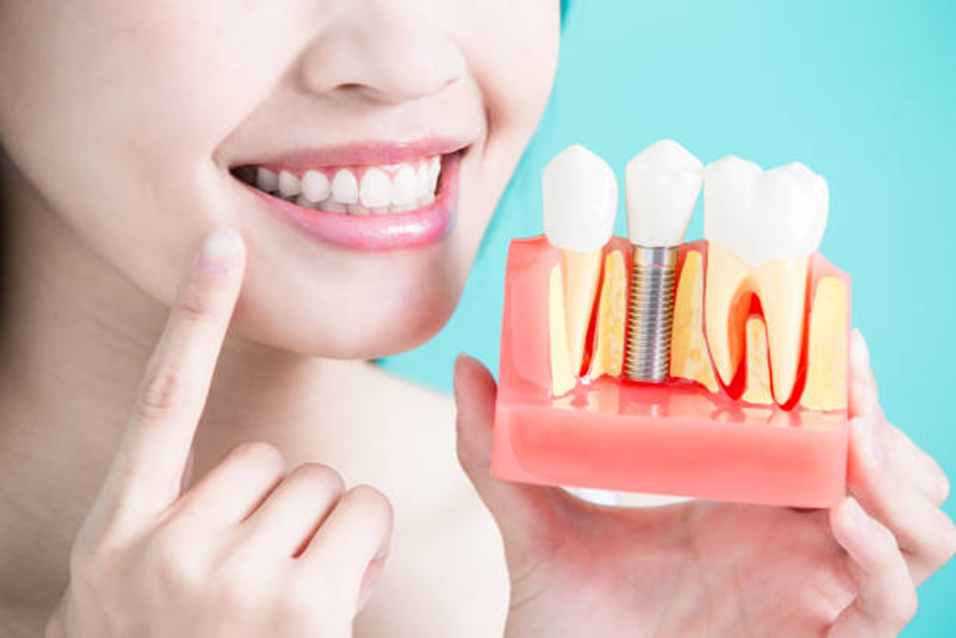
A dental implant is not a single piece; it consists of three distinct parts, each with its own expected service life. To ensure the best long-term outcome, it helps to know how each component behaves over time.
The titanium post. The post is the root of the system, engineered to be a permanent fixture in your jaw. Because titanium is non-corrosive and biocompatible, the body accepts it readily, allowing bone to grow around it. With consistent implant maintenance, this component rarely needs to be replaced.
The dental crown. While the post is protected by bone and tissue, the crown is exposed to the full forces of chewing every day. Over a decade or more, even high-quality ceramic can chip or wear down, requiring a non-surgical replacement of the prosthetic portion only, not the post itself.
The abutment. The abutment serves as the connector between the post and crown. While it does not face the same direct impact as the crown, it must remain securely fastened. In some cases, the abutment may need tightening or replacement after 15 to 20 years to maintain structural integrity.
Factors Influencing Dental Implant Longevity
Several variables determine whether an implant lasts 10 years or 40 years. At Lumiere Orlando Dentistry, we prioritize patient education to help reduce risks that could lead to premature failure and ensure your restoration remains functional long-term.
Oral hygiene habits. Just like natural teeth, implants can fall victim to gum disease. Bacteria can accumulate around the implant base, leading to peri-implantitis. Consistent implant aftercare is the single most important factor in preventing the bone loss that leads to implant instability.
Bone quality and density. For an implant to succeed, there must be enough healthy bone to support it. If a patient has significant bone loss before the procedure, bone grafting may be necessary. Ensuring a solid foundation before placement is a core part of the single-tooth and full-arch implant care we provide through our services in Maitland.
Overall health and lifestyle. Chronic conditions like uncontrolled diabetes can slow healing and weaken the immune system’s response to oral bacteria. Smoking can reduce blood flow to the gums, significantly lowering the long-term success of the restoration.
Daily Care and Routine Maintenance
Maintaining your new smile does not require complex tools, but it does require consistency. Most patients find that their routine for implant maintenance is quite similar to caring for natural teeth. The following habits make the biggest difference:
- Gentle brushing: Use a soft-bristled manual or electric toothbrush twice daily. Avoid abrasive toothpastes that can scratch the porcelain surface of the crown.
- Specialized flossing: Use a water flosser or interproximal brushes to clean the hard-to-reach areas around the abutment. Regular string floss can sometimes shred and leave fibers behind.
- Professional cleanings: Schedule biannual checkups with our team. Dentists use specialized plastic or titanium scalers to clean implants without damaging the surface.
- Antimicrobial rinses: Incorporate an alcohol-free mouthwash to keep bacterial counts low, especially around the area where the implant meets the gumline.
- Dietary awareness: Avoid biting into extremely hard objects like ice or hard candy. While durable, the porcelain crown can crack under extreme, localized pressure.
Establishing these habits early protects both the crown and the underlying implant structure over the long term.
Protecting your implants from mechanical stress. If you have a history of clenching or grinding your teeth (bruxism), Dr. Yousefi may recommend a custom night guard. This protective appliance distributes pressure evenly, preventing the mechanical overload that can loosen the implant or break the crown.
Full-Mouth and All-on-4 Implant Solutions
For patients missing multiple teeth or an entire arch, modern technology offers efficient alternatives. Options like full mouth dental implants in Maitland provide a fixed, stable solution that feels far more natural than traditional dentures.
The All-on-4 approach. The All-on-4 technique uses just four strategically placed implants to support a full arch of teeth. This method often eliminates the need for bone grafting and provides a high success rate due to the angled placement of the posterior implants.
Precision in placement. The success of full-arch restorations depends heavily on the planning phase. By using digital surgical guides, we ensure that each post is placed in the optimal position to handle biting forces, which directly impacts long-term implant longevity.
Long-term benefits of arch restoration. Choosing a full-arch solution helps preserve facial structure by preventing the bone resorption that occurs when teeth are missing. This long-term stability means patients can enjoy a varied diet and speak with confidence for decades.
Why Placement Quality Determines Long-Term Results
The skill of the surgeon and the quality of the materials used are foundational to implant longevity. At Lumiere Orlando Dentistry, we use advanced 3D imaging to plan every placement with precision, ensuring the implant is positioned in the densest part of the bone for maximum stability.
Early osseointegration care. The first six months after surgery are critical for osseointegration. Following a soft-food diet and avoiding tobacco products during this period will significantly increase the likelihood your implant integrates successfully. Learn what to expect as a candidate for implants.
Monitoring for early warning signs. Regular checkups allow our team to monitor the health of the surrounding gum tissue. If we detect early signs of inflammation, we can intervene with professional treatments to protect the implant before bone loss occurs.
Detailed Maintenance Strategies
To ensure the longest possible life for your dental work, a proactive approach goes beyond basic brushing. The following strategies address how oral biology interacts with synthetic materials over time:
- Interdental cleaning: Traditional floss can be difficult to navigate around implants. Interdental brushes designed for implants keep the sulcus (the pocket between the gum and crown) free of debris.
- Avoiding staining agents: While porcelain is stain-resistant, adhesives and surrounding natural teeth are not. Limiting coffee, red wine, and tobacco keeps your smile uniform.
- Checking the bite: Natural teeth may shift slightly over time. During biannual visits, Dr. Yousefi will check your occlusion to ensure the implant is not absorbing more pressure than it was designed for.
- Hydration and saliva flow: Saliva is the mouth’s natural defense against bacteria. If you experience dry mouth due to medication, talk to our team about saliva substitutes to protect your implant maintenance routine.
These strategies, combined with regular professional cleanings, give implants the best chance of lasting many years without complication.
Frequently Asked Questions About Dental Implants
Can dental implants ever fail?
While rare, implant failures can occur. Most early failures result from a lack of osseointegration or infection during the healing phase. Following post-surgical care instructions and attending regular checkups significantly reduces this risk.
Is the dental implant procedure painful?
Most patients report that getting an implant is less uncomfortable than a tooth extraction. Local anesthesia is used during the procedure, and any post-operative soreness is typically manageable with over-the-counter pain relief.
Do I need to use special toothpaste for my implants?
Yes, a non-abrasive, tartar-control toothpaste works best. Avoid products with strong whitening agents or baking soda, as these can be too abrasive for the porcelain crown surface and may scratch it over time.
Are dental implants worth the investment?
For most patients, yes. Implants are designed to last many years and help prevent bone loss, making them a cost-effective and functional long-term solution compared to dentures or bridges that require replacement and adjustment over time.
Schedule Your Dental Implant Consultation at Lumiere Orlando Dentistry
Dental implants remain the most stable and natural-feeling option for tooth replacement, with long-term potential that bridges and dentures cannot match. By committing to a consistent maintenance routine and attending regular professional checkups, you can protect your restoration and keep it functioning for years to come. Whether you are considering a single-tooth implant or a full-mouth All-on-X solution, our team is ready to walk you through what treatment would involve and what to expect at each stage.
Contact us today to schedule your personalized consultation at Lumiere Orlando Dentistry in Maitland.

Medically Reviewed by Dr. Mehrshad Yousefi, DMD
Dr. Mehrshad Yousefi is the founder of Lumiere Orlando Dentistry in Maitland, Florida. With 250+ hours of post-graduate training in implantology, cosmetic dentistry, and biomimetic techniques, he holds a Fellowship in Implant Dentistry (FIDIA) and is a member of the Florida Academy of Cosmetic Dentistry (FACD). His clinical philosophy Function First, Aesthetics with Intention, and Precision Through Technology and Training guides every patient’s care.
Last modified:
Medical Disclaimer: The content provided on this blog is intended for informational purposes only and does not constitute medical or dental advice. Individual results may vary. Please consult with a licensed dental professional to determine the best course of treatment for your specific needs. Lumiere Orlando Dentistry is not responsible for actions taken based on the information provided in this blog.