Function First, Aesthetics with Intention — Personalized Care in Maitland, FL
Wondering whether dental implants are right for you is one of the most common questions patients bring to their first consultation. The good news is that most adults missing one or more teeth are candidates, and even patients who have been told otherwise in the past are often good candidates once bone density and gum health are properly evaluated.
At Lumiere Cosmetic and Implant Dentistry in Maitland, Dr. Mehrshad Yousefi uses in-house 3D CBCT imaging to assess candidacy with a level of precision that goes well beyond a visual exam, so patients get a clear answer rather than a guess.
Most Patients Qualify for Implants
At Lumiere Cosmetic and Implant Dentistry, we’re committed to providing comprehensive dental implant services to our community in Maitland, Winter Park & Orlando, FL. Whether you’re dealing with the loss of a single tooth, multiple teeth, or considering a full-arch restoration, our skilled team is dedicated to evaluating your unique needs and determining the suitability of dental implants for you.

Why Dental Implants Might Be Necessary
- Missing Teeth Solution
- Functional Challenges
- Enhanced Confidence
- Preservation of Jaw Health
What Makes Someone a Good Candidate for Dental Implants?
Bone density
There needs to be enough healthy bone in the jaw to anchor the implant post securely.
Gum health
Active gum disease needs to be treated before implant placement to reduce the risk of implant failure.
Overall health
Conditions such as uncontrolled diabetes or autoimmune disorders can affect healing and are reviewed during the evaluation.
Lifestyle factors
Tobacco use can slow healing and affect long-term implant success, though it does not automatically disqualify a patient.
Age alone is not a barrier. Adults in their sixties, seventies, and beyond are routinely good candidates for implants provided the factors above are in place.
What If You Have Bone Loss or Gum Disease?
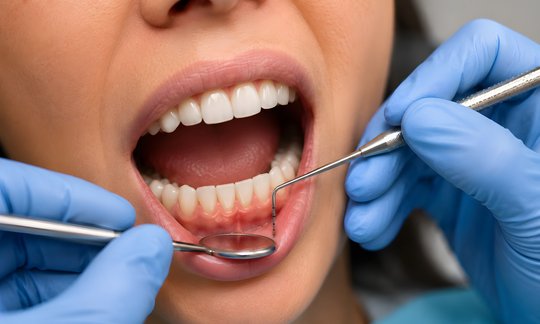
Many patients assume that bone loss or a history of gum disease rules them out entirely, but this is rarely the case. If bone density is insufficient, bone grafting can rebuild the foundation needed for implant placement, adding time to the overall treatment plan but not eliminating implants as an option. Active gum disease is treated first, since a healthy gum foundation is necessary for long-term implant success. Dr. Yousefi’s team evaluates both during the initial consultation and outlines a path forward for patients who need additional preparation before implant placement.

How Candidacy Is Evaluated at Our Maitland Office
The evaluation starts with a review of medical history and current oral health, followed by 3D CBCT imaging taken in-house. This imaging shows bone density, jaw anatomy, and nerve positioning with a level of detail that standard X-rays cannot provide, allowing Dr. Yousefi to determine not just whether implants are possible, but where they should be placed for the best long-term outcome. This same evaluation process applies whether you are considering a single implant or full mouth dental implants, scaled to assess the entire arch rather than a single site. Common questions about the process are also addressed in our dental implant FAQs.

What Happens After the Evaluation?
Once candidacy is confirmed, the next step is reviewing which implant option fits your situation, whether that is a single-tooth implant, an implant-supported bridge, or a full-arch solution. Patients who need bone grafting or gum treatment first receive a timeline for that preparatory work before implant placement begins. Every patient leaves the consultation with a clear, individualized plan rather than a general estimate.
Frequently Asked Questions About Dental Implant Candidacy
Can I get dental implants if I have bone loss?
Am I too old to get dental implants?
Does smoking affect dental implant candidacy?
What happens if I have gum disease?
Do I need a lot of bone density to be a candidate?