Waking up exhausted after a full night’s sleep, snoring loudly enough to disrupt your household, or jolting awake gasping for air are not quirks to shrug off. They are signs of a condition that quietly degrades your cardiovascular health, your cognitive function, and your ability to move through the day feeling like yourself. Sleep apnea affects millions of adults, and for many of them, the right solution is closer than they think.
At Lumiere Cosmetic and Implant Dentistry in Maitland, FL, Dr. Mehrshad Yousefi brings a whole-body perspective to sleep apnea care, understanding that what happens in your airway at night is directly connected to your long-term health. Our approach is personalized, non-invasive, and built around getting you a solution that you will actually use consistently. If you have been told a CPAP machine is your only option and are struggling to make it work, our services in Maitland include effective dental alternatives that may be a better fit for your life.

More Than Just Snoring
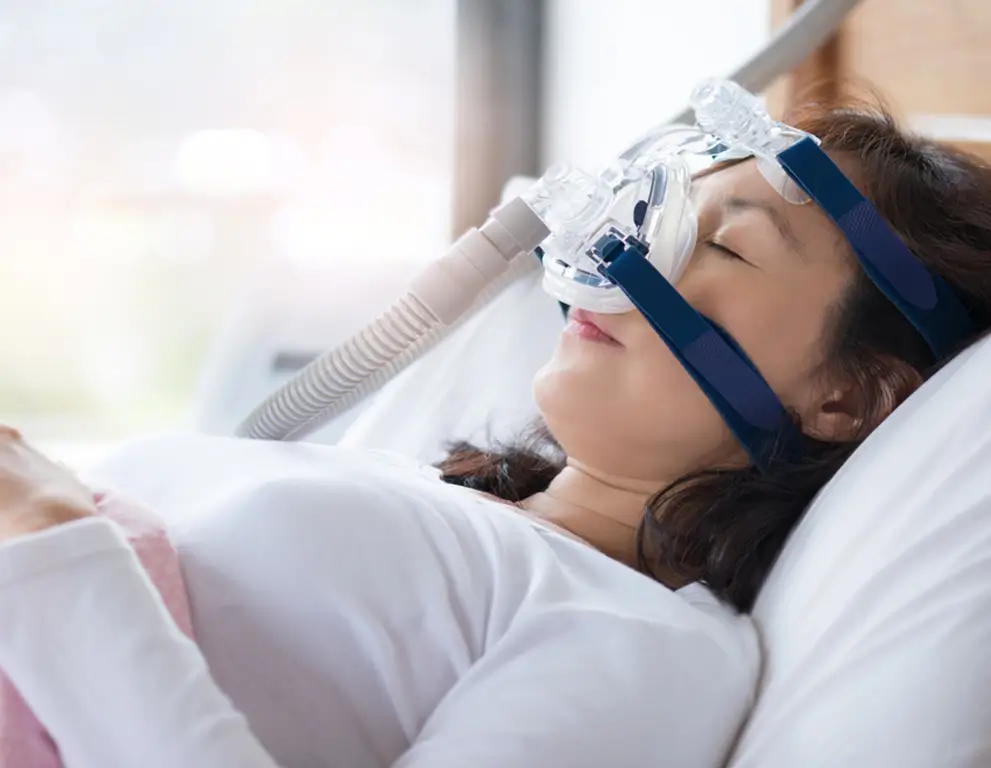
Sleep apnea occurs when the muscles at the back of the throat relax too much during sleep, causing the airway to partially or fully collapse. Each time that happens, the brain triggers a micro-arousal to restore breathing, fragmenting your sleep cycle even when you have no memory of waking up. The result is daytime fatigue, difficulty concentrating, morning headaches, and a body that never fully recovers overnight.
What makes this condition particularly important to address is its connection to serious systemic health risks. Untreated sleep apnea is associated with elevated blood pressure, increased risk of stroke and heart attack, and worsening of conditions like diabetes and acid reflux. Dr. Yousefi recognized early in his career, through advanced training in physiologic dentistry and functional occlusion, that the airway is not separate from the rest of the body — and that dentistry has a meaningful role to play in addressing it. He also knows that nighttime grinding and TMJ dysfunction frequently overlap with sleep apnea, and that treating one without considering the others often leaves patients with incomplete relief.
Who Needs Sleep Apnea Treatment?
Sleep apnea affects a wide range of people, and many do not realize they have it until a partner notices or a physician flags it during a routine exam. Common signs that warrant an evaluation include:
- Loud or frequent snoring: often the most visible symptom, though not everyone who snores has sleep apnea
- Waking unrefreshed: feeling tired despite sleeping seven or more hours is a hallmark sign
- Daytime fatigue or brain fog: difficulty concentrating, low energy, or mood changes throughout the day
- Morning dry mouth or sore throat: caused by breathing through the mouth when the airway is obstructed
- Jaw tension or teeth grinding: frequently co-occurring with airway issues and worth discussing at your consultation
A formal diagnosis starts with a sleep study, which your physician or a sleep specialist can arrange. Once sleep apnea is confirmed, we can discuss whether oral appliance therapy is appropriate for your case.

Oral Appliance Therapy at Lumiere
For patients with mild to moderate obstructive sleep apnea, or for those who have tried CPAP and cannot tolerate it consistently, Dr. Yousefi offers custom oral appliance therapy. The appliance is worn during sleep and works by gently positioning the lower jaw slightly forward, which keeps the airway open and prevents the soft tissue collapse that causes apnea events. One option within this category is the Mandibular Advancement Device (MAD), a well-studied oral appliance that has been shown in peer-reviewed research published in PLOS ONE to significantly reduce apnea severity and improve daytime sleepiness over the long term.
Unlike a CPAP machine, an oral appliance requires no mask, no tubing, and no electricity. It is small enough to travel with and quiet enough that it does not disturb anyone else in the room. Every appliance we provide is custom-fabricated using precise digital scans of your teeth and jaw, and it can be adjusted over time as we monitor how well it is working for you.
Your Treatment Process
1. Consultation & Sleep History Review
Dr. Yousefi discusses your symptoms in detail and reviews any prior sleep study results. If you have not yet been tested, we can help point you toward the right next step before moving forward with treatment.
2. Custom Fitting
Precise digital impressions are taken to fabricate an appliance fitted specifically to your bite and jaw anatomy. Because we use digital scanning rather than traditional mold impressions, the process is comfortable and accurate from the start.
3. Fit Check and Adjustments
Once your appliance is ready, we walk through how to wear and care for it, confirm that it fits well, and make any initial refinements. The degree of jaw repositioning can be adjusted over time, a process called titration, to find the most effective and comfortable position for your airway.
4. Ongoing Monitoring
Follow-up visits allow us to assess how well the appliance is controlling your symptoms, check for any changes in bite or jaw comfort, and make adjustments as your needs evolve. Sleep apnea is a chronic condition, and consistent monitoring is part of what makes treatment successful over the long run.
Are You a Candidate?
Oral appliance therapy tends to work best for patients with mild to moderate obstructive sleep apnea, and it’s often recommended for those who’ve tried CPAP but found it uncomfortable or difficult to use consistently. If you experience jaw tension alongside sleep apnea symptoms, it’s worth mentioning to Dr. Mersh during your visit, since airway and bite issues can overlap with concerns addressed through our TMJ treatment. A proper diagnosis typically starts with a sleep study, which your physician or a sleep specialist can arrange; once sleep apnea is confirmed, we can fit and monitor your oral appliance as part of your broader treatment plan.
Sleep Apnea Care at Lumiere Cosmetic and Implant Dentistry
Dr. Mehrshad Yousefi graduated with honors from Nova Southeastern University College of Dental Medicine, ranking 7th in his class, and has completed over 250 hours of postgraduate training spanning implant dentistry, cosmetic care, and functional occlusion. His clinical philosophy — Function First, Aesthetics with Intention — shapes how he approaches every patient, including those dealing with sleep and airway concerns. Dr. Yousefi’s background in physiologic dentistry gives him a meaningful foundation for evaluating how bite, jaw health, and airway function relate to one another, and for building treatment plans that address the full picture rather than individual symptoms in isolation.
Our Maitland office uses advanced technology throughout the evaluation and treatment process, including 3D digital scanning and in-house fabrication tools that allow for precise, well-fitting appliances. Our Spanish-speaking team is here to make every step approachable and clear. If you are ready to find out whether dental sleep apnea treatment is right for you, contact our office to schedule a consultation and take the first step toward better rest.
Frequently Asked Questions
Can a dentist treat sleep apnea?
Is oral appliance therapy as effective as CPAP?
How long does it take to get used to the appliance?