
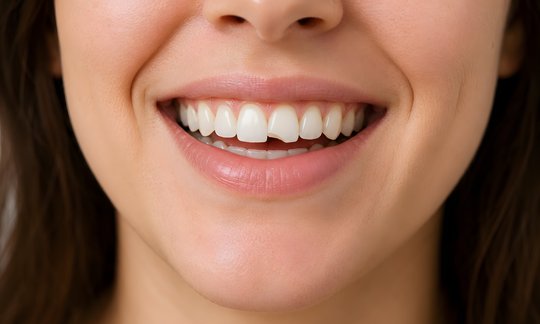
One moment you are biting into an apple, and the next you are staring at a chipped edge or holding a tooth in the palm of your hand. A cracked or knocked-out tooth can happen in seconds, but the steps you take right after often decide whether it can be saved.
At Lumiere Cosmetic and Implant Dentistry in Maitland, we see this kind of injury often, and how quickly you reach us can make a real difference. Our team provides same-day emergency dental services for cracked, chipped, and knocked-out teeth, so you are never left guessing what happens next.
What to Do Right After a Cracked or Knocked-Out Tooth
The first few minutes matter, and the right response depends on which kind of injury you are facing.
For a Cracked or Chipped Tooth
Rinse your mouth gently with warm water to clear away any debris, then hold a cold compress against your cheek near the injury to reduce swelling and ease discomfort. Avoid chewing on the affected side, and skip very hot or cold foods until you are seen, as a cracked tooth can be sensitive to temperature changes.
For a Knocked-Out Tooth
Handle a knocked-out tooth only by the crown, the white chewing surface, and never touch the root. Touching or scrubbing the root can damage the delicate cells the tooth needs to reattach successfully once it is back in place.
According to the American Dental Association, a few quick actions in the first hour give a knocked-out tooth its best chance of survival:
- Rinse: gently rinse the tooth with water if it is dirty, without scrubbing or drying it.
- Reposition: try placing the tooth back into its socket without touching the root, if you are able to.
- Preserve: if it cannot go back in, keep it moist in milk, saliva, or against your cheek until you reach our office.
- Move quickly: reach an emergency dentist within thirty to sixty minutes for the best chance of successful reimplantation.
These steps buy valuable time, but they are not a substitute for prompt professional care, so please call us or head to our office right away.
How We Treat Cracked, Chipped, and Shifted Teeth
Once the immediate danger has passed, the next question is how we repair the tooth, and the right approach depends on how much structure remains.
Cracks and Chips
A cracked tooth can range from a small surface chip to a fracture that reaches the nerve, and the right treatment depends on how deep the damage goes. Dr. Mehrshad Yousefi examines the tooth with 3D CBCT imaging to map the full extent of the crack before recommending a repair. Minor chips often respond well to bonding, while deeper fractures may need a custom dental crown to protect the tooth from further damage.
Whenever possible, we favor biomimetic dentistry techniques that preserve as much of your natural tooth structure as we can, restoring strength without removing more of the tooth than necessary.
Extruded Teeth
A tooth that has been partially pushed out of its socket, known as an extruded tooth, needs prompt repositioning as well. Left untreated, it can affect your bite and place unnecessary stress on the surrounding teeth. We gently guide the tooth back into alignment and may recommend a temporary splint while the supporting tissue heals.
Replacing a Tooth That Cannot Be Saved
Not every knocked-out tooth can be reimplanted, especially when too much time has passed or the root has sustained heavy damage. When a tooth is lost for good, we walk you through your replacement options so your bite and your smile stay intact.
A single dental implant is often the most stable long-term solution, replacing both the root and the crown of the missing tooth. For patients weighing an implant against a bridge, our guide on single tooth implants compares both paths in more detail, so you can choose what fits your situation best.
If we do reimplant your tooth, we will monitor it closely over the following weeks to check healing and confirm it stays properly anchored. In some cases, a small splint holds the tooth steady while the surrounding ligament repairs itself.
Reach Out to Lumiere Cosmetic and Implant Dentistry Today
Dr. Yousefi brings more than 250 postgraduate hours of advanced training in implant, cosmetic, and restorative dentistry to every emergency visit, along with same-day access to CBCT imaging and CAD/CAM technology for fast, precise care. Our Maitland team, including Spanish-speaking staff, is ready to see you the moment a cracked or knocked-out tooth happens, and you can read more about the Lumiere difference before your visit.
Whether you are dealing with a small chip or a full avulsion, waiting only narrows your options, so please do not wait to reach out. Fill out our contact form, and our team will get back to you quickly to schedule the emergency care your smile needs.