
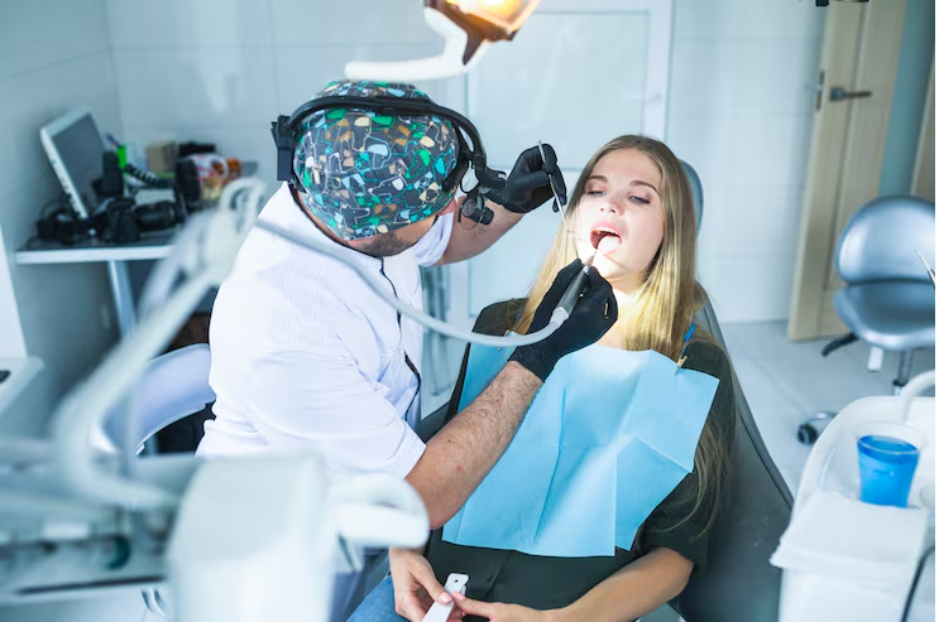
Traditional restorations often take more tooth than the damage requires. A crown fitted over a single cracked cusp, or a filling that spreads far into healthy dentin to support its shape, can begin a cycle of retreatment that grows more complex with each procedure.
At Lumiere Orlando Dentistry in Maitland, Dr. Mehrshad Yousefi, DMD approaches restorative care with a different goal in mind. His biomimetic philosophy focuses on preserving what is healthy, repairing only what is damaged, and using materials that work with the tooth’s natural structure rather than replacing it wholesale.
What Is Biomimetic Dentistry?
Biomimetic dentistry is a modern restorative approach that aims to replicate the natural properties of teeth. Unlike traditional procedures that may require extensive drilling or full-coverage crowns, biomimetic dentistry uses advanced materials and techniques to repair teeth while conserving as much healthy structure as possible.
By focusing on preservation and strengthening existing tooth tissue, this approach helps prevent common problems such as sensitivity, decay, and the need for root canals. Patients in Maitland who want durable, natural-looking restorations without unnecessary removal of healthy enamel or dentin will find biomimetic techniques well suited to their goals. Learn more about our biomimetic dentistry services in Maitland.
Key Principles of Biomimetic Dentistry
Biomimetic dentistry is guided by a set of core principles that distinguish it from conventional restorative care.
Preservation of tooth structure. The central goal is to save as much natural tooth tissue as possible. Instead of removing large portions of the tooth to accommodate crowns or large fillings, biomimetic restorations target only the damaged areas, leaving healthy tissue intact. This preserves the tooth’s natural strength and reduces the risk of fractures over time.
Mimicry of natural teeth. Restorations are designed to replicate the biomechanical, functional, and aesthetic properties of natural teeth, including their original shape, flexibility, and how they meet when biting. The result blends naturally with the surrounding tooth structure in both function and appearance.
Strong bonding. Advanced adhesive materials create a robust bond between the restoration and remaining tooth structure. This bond reinforces the tooth’s integrity, making it more resistant to failure than conventional restorations.
Minimally invasive techniques. Procedures are designed to avoid removing healthy tissue. Onlays, inlays, and composite bonding address damaged areas without compromising the tooth’s vitality or requiring full-coverage crowns that remove far more of the tooth than the damage demands.
How Biomimetic Dentistry Works
A biomimetic approach begins with a thorough study of how enamel, dentin, and the pulp function as an integrated system. This knowledge allows for restorations that closely replicate natural biomechanics rather than simply covering over the damage.
Selecting advanced materials. Modern adhesive composites and ceramics are chosen to bond with and replicate the flexibility and strength of natural enamel. This reduces the risk of cracks or restoration failures that can develop under chewing forces over time.
Performing minimally invasive restorations. Rather than preparing a tooth for a full crown, biomimetic dentistry often uses onlays or partial restorations that preserve healthy tooth tissue. This approach avoids unnecessary drilling, protects pulp vitality, and contributes to long-term durability.
Preserving pulp health. By conserving tooth structure and avoiding aggressive removal, biomimetic dentistry keeps the pulp (the inner layer containing nerves and blood vessels) alive and functional. Maintaining pulp vitality significantly reduces the likelihood of future complications, including root canal treatment.
Benefits of Biomimetic Dentistry
Choosing a biomimetic approach offers meaningful advantages over conventional restorative methods. The following outcomes reflect what patients can expect from preservation-focused care:
- Preserved tooth structure: Less drilling and removal of healthy tissue, maintaining the natural strength of the tooth
- Enhanced durability: Strong adhesive bonding and high-quality materials increase longevity
- Reduced sensitivity: Minimally invasive techniques lower post-treatment discomfort compared to traditional restorations
- Lower risk of future procedures: Keeping the pulp healthy reduces the likelihood of needing root canals or replacement work
- Natural aesthetics: Restorations blend with natural teeth for a lifelike appearance
These advantages collectively support better oral health, function, and long-term patient satisfaction. To see real-life results, explore our before and after gallery.
Biomimetic Versus Traditional Dentistry
Traditional restorative dentistry often requires extensive removal of healthy tooth structure to accommodate crowns and large fillings. Over time, this can leave teeth structurally weaker and more vulnerable to fractures, nerve exposure, or the need for progressively more involved retreatment.
Biomimetic dentistry takes a different path. By targeting only what is damaged and using materials that flex and load like natural enamel and dentin, the goal is a tooth that functions as it did before, with minimal healthy tissue removed, pulp vitality preserved, and a significantly reduced need for future intervention. For a full overview of all available treatments, visit our services page.
Common Biomimetic Dentistry Procedures
Several proven procedures fall within the biomimetic approach, each designed to restore a tooth while preserving as much natural structure as possible.
Onlays and inlays. These partial restorations replace only the damaged portion of the tooth. Unlike full crowns, onlays and inlays preserve the majority of the tooth’s healthy structure while restoring strength and function.
Composite bonding. Bonding uses tooth-colored resin to repair minor damage or decay. It is a minimally invasive option that improves aesthetics and durability without significant removal of healthy enamel.
Advanced adhesive restorations. High-strength adhesive materials bond restorative material securely to natural tooth structure, creating a restoration that functions similarly to a healthy tooth. Complete our survey form to find out which procedure may be best suited for your situation.
Biomimetic Dentistry in Maitland
Patients in Maitland and surrounding areas can access biomimetic dental care at Lumiere Orlando Dentistry, where Dr. Yousefi brings a conservative, preservation-first philosophy to every restorative case. His approach offers a minimally invasive alternative to traditional crowns and fillings, with longer-lasting results and a healthier long-term outcome for each tooth treated.
How Long Do Biomimetic Restorations Last?
Biomimetic restorations are built for durability. The combination of strong adhesive bonding, preservation of natural tooth structure, and high-quality restorative materials contributes to longevity that often exceeds what traditional large restorations can provide. Patients are less likely to experience fractures, sensitivity, or the need for further invasive work over time. Consistent oral hygiene and regular professional visits are key to maintaining these restorations in the long run.
Schedule Your Biomimetic Dentistry Consultation at Lumiere Orlando Dentistry
If a damaged or decayed tooth has you weighing your options, a consultation with Dr. Yousefi can clarify what biomimetic dentistry could mean for your specific situation. He will review your imaging, explain exactly what the tooth needs, and walk you through options that minimize loss of healthy structure while achieving lasting results.
Complete our patient survey to schedule your consultation at Lumiere Orlando Dentistry in Maitland.
Frequently Asked Questions About Biomimetic Dentistry
How is biomimetic dentistry different from traditional dental restorations?
Traditional restorations often require removing significant amounts of healthy tooth structure to place a crown or large filling. Biomimetic dentistry targets only the damaged tissue, preserves as much healthy enamel and dentin as possible, and uses bonding materials that replicate the tooth’s natural flexibility and strength.
Are biomimetic restorations durable?
Yes. With proper oral hygiene and regular professional visits, biomimetic restorations can last for many years. The strong adhesive bond and preservation of natural tooth structure contribute to longevity that often exceeds conventional large fillings or full crowns.
Is biomimetic dentistry a painful procedure?
Biomimetic techniques are minimally invasive, which typically results in less discomfort during and after treatment. Most patients report reduced sensitivity compared to traditional restorations that require more extensive drilling.
Can biomimetic techniques reduce the need for a root canal?
In many cases, yes. By preserving the pulp and avoiding aggressive removal of tooth structure, biomimetic dentistry keeps the inner layer of the tooth alive and healthy. This significantly lowers the likelihood of future complications that could otherwise lead to root canal treatment.

Medically Reviewed by Dr. Mehrshad Yousefi, DMD
Dr. Mehrshad Yousefi is the founder of Lumiere Orlando Dentistry in Maitland, Florida. With 250+ hours of post-graduate training in implantology, cosmetic dentistry, and biomimetic techniques, he holds a Fellowship in Implant Dentistry (FIDIA) and is a member of the Florida Academy of Cosmetic Dentistry (FACD). His clinical philosophy Function First, Aesthetics with Intention, and Precision Through Technology and Training guides every patient’s care.
Last modified:
Medical Disclaimer: The content provided on this blog is intended for informational purposes only and does not constitute medical or dental advice. Individual results may vary. Please consult with a licensed dental professional to determine the best course of treatment for your specific needs. Lumiere Orlando Dentistry is not responsible for actions taken based on the information provided in this blog.