
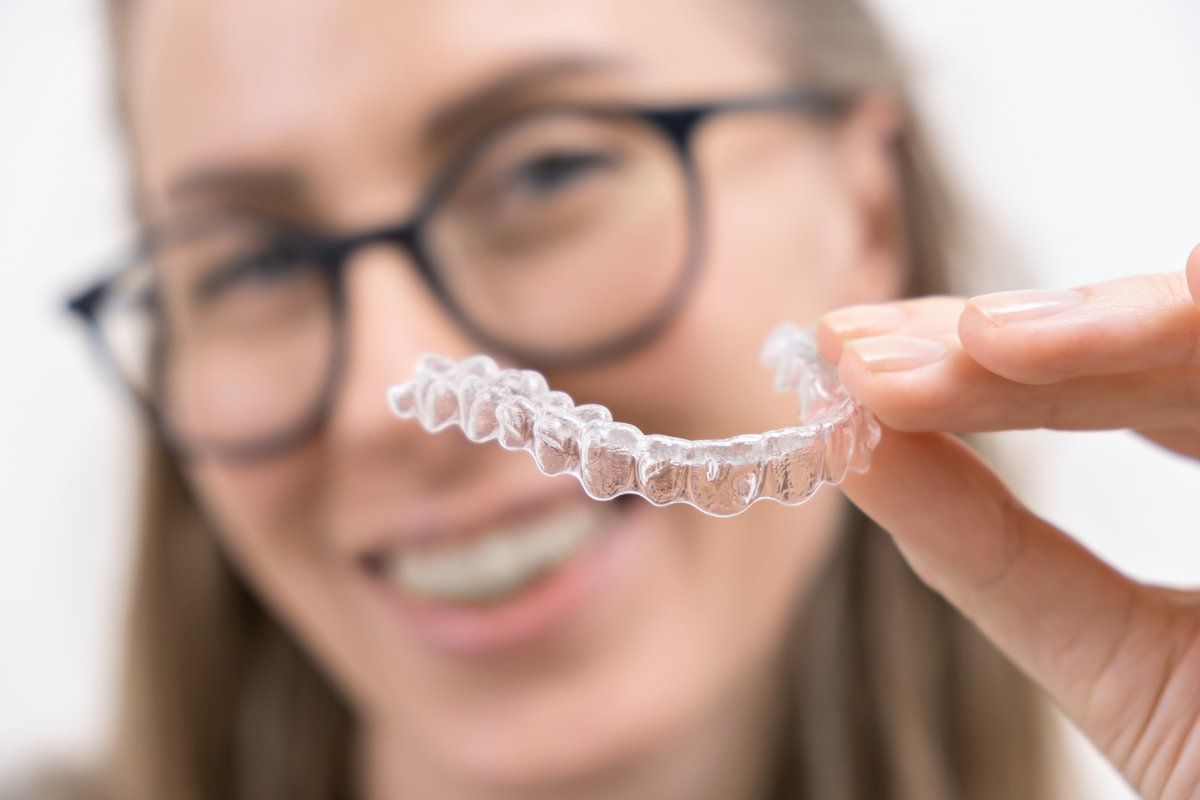
Choosing between clear aligners and traditional braces can feel like a bigger decision than the treatment itself, especially when cost, comfort, and how long you will spend in appliances all seem to point in different directions. For Orlando-area patients weighing their options in 2026, the good news is that both paths can produce excellent results. The right choice usually comes down to your bite, your lifestyle, and what you want your daily routine to look like for the next year or so.
At Lumiere Orlando Dentistry, we walk Maitland patients through both options using digital scanning and a straightforward look at their bite before recommending a path forward. We want you to leave your consultation with a clear picture of what treatment will actually feel like day to day, not just a price tag or a timeline.
How Clear Aligners And Braces Compare On Cost
Cost is often the first question patients ask, and the honest answer is that clear aligners and traditional braces land in a similar range for most moderate cases. Aligner pricing depends on how many trays a case requires, while braces pricing depends more on treatment length and the complexity of the movements needed. Cases with significant crowding, bite correction, or jaw alignment concerns may tilt the math toward braces, since they can sometimes address these issues more efficiently.
We offer an in-house dental savings plan along with 0% financing for 24 months, which makes either option workable for most household budgets. Rather than guessing at what a plan might cost from an online calculator, we build out a real number for your specific case using your scans and treatment goals during your visit.
Comfort And Daily Life With Each Option
Comfort is where the two treatments diverge the most in practice. Aligners are removable, so you can eat what you want, brush and floss normally, and take them out for photos or presentations. Most patients describe the pressure from a new tray as mild and short-lived, usually easing within a day or two as teeth adjust.
Braces stay on your teeth around the clock, which means no daily insertion routine but also some early adjustment to speaking and eating certain foods. Metal brackets can cause minor irritation to the cheeks and lips in the first few weeks, though wax and simple technique adjustments usually resolve this quickly. Neither option is painful in a lasting way, but aligners tend to fit more easily into a professional schedule with client meetings or frequent public speaking.
Results You Can Expect From Each Treatment
Both treatments can produce excellent alignment for the right case. Clear aligners handle mild to moderate crowding, spacing, and bite issues very well, and adults increasingly choose them for exactly this reason. According to the American Association of Orthodontists, roughly one in three orthodontic patients today is an adult, a shift driven largely by discreet options like clear aligners fitting into working professionals’ lives.
Braces remain the stronger choice for complex bite corrections, significant rotations, or cases requiring precise vertical tooth movement, since fixed brackets give an orthodontist continuous control over every tooth. The deciding factor is rarely which treatment looks or feels better in the abstract. It is the one that matches the specific movements your teeth need, which is why a scan and consultation matter more than a general comparison chart.
What To Consider Before Choosing A Treatment
Before deciding, it helps to think through a few practical factors beyond cost and appearance. We walk through these with every patient during a consultation, since the right fit depends on habits as much as it does on the bite itself.
- Discipline: aligners require 20 to 22 hours of wear daily to stay on schedule, so they work best for patients who will not forget or lose them.
- Complexity: cases with significant bite issues or rotated teeth often move faster and more predictably with braces.
- Visibility: aligners are close to invisible, while braces are visible but now come in smaller, less noticeable brackets than in years past.
- Maintenance: braces need no daily removal but require more careful brushing and flossing around brackets and wires.
Once you have thought through these points, the next step is simply getting your teeth scanned so we can show you a realistic treatment plan built around your own mouth rather than a generic estimate.
Finding The Right Fit For Your Smile In Maitland
We know that a decision like this feels easier once you can see your own case laid out clearly, rather than comparing generic pros and cons. Using iTero digital scanning, we can map out exactly how your teeth would move under each option and give you a realistic timeline and cost before you commit to either one. Dr. Yousefi’s training in clear aligner therapy and full-mouth treatment planning means every recommendation is built around your specific bite, not a one-size-fits-all answer.
If you are ready to find out whether Invisalign or braces will get you to your goals faster in Maitland, we would love to help you weigh your options in person. Our team speaks English and Spanish and is ready to assist you. Reach out through our contact form to schedule a consultation and get a treatment plan built around your smile.