





Replacing a missing tooth is a major oral health decision. Many people in Maitland want to understand whether a single tooth implant or a dental bridge is the most effective, long-lasting, and natural-looking solution. At Lumiere Orlando Dentistry, patients often ask which option will maintain their oral health best while providing comfort and functional ability.
Both treatments are reliable, but they differ in procedure, longevity, oral health impact, maintenance, and cost. This detailed, research-backed guide compares these two tooth replacement options to help you understand which one aligns with your dental needs and long-term goals.
What Is a Single Tooth Implant?
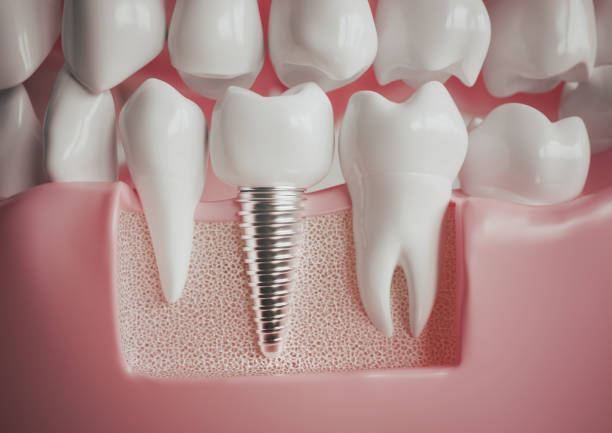
A single tooth implant is a permanent restoration used to replace one missing tooth. It includes a titanium or zirconia post placed in the jawbone, an abutment, and a dental crown. The implant integrates with the jawbone and functions like a natural tooth root, making it a strong, durable option.
How a Tooth Implant Works
A tooth implant functions through three core components:
- Implant post
- Abutment
- Custom crown
The implant fuses with the bone, which helps maintain jaw structure and prevent bone loss something a dental bridge cannot do.
Advantages of a Single Tooth Implant
A single tooth implant offers several clinically proven advantages, making it one of the most reliable and natural-feeling tooth replacement options available today. Many patients in Maitland prefer implants because they not only restore the missing tooth but also support long-term oral health more effectively than traditional alternatives.
1. Preserves jawbone density and prevents bone shrinkage
When a tooth is lost, the surrounding bone begins to shrink due to lack of stimulation. A tooth implant acts like an artificial root, stimulating the jawbone every time you chew. This helps maintain bone density, prevents facial sagging, and supports a stable foundation for long-term oral health. Bridges and dentures cannot offer this biological benefit because they sit above the gums rather than integrating with the bone.
2. Protects surrounding teeth
Unlike a dental bridge, which requires reshaping healthy adjacent teeth, a single tooth implant Maitland leaves neighboring teeth completely untouched. Preserving natural tooth structure is an important part of preventive dentistry and helps reduce the risk of fractures, sensitivity, or future restorative work on adjacent teeth.
3. Replicates natural function and chewing strength
Once restored with a custom crown, an implant functions almost exactly like a natural tooth. Its stability allows you to chew confidently without worrying about movement or pressure on nearby teeth. This is especially beneficial for long-term dietary comfort and overall oral function.
4. Long-term durability
One of the biggest advantages of implants is their lifespan. With proper care, a dental implant can last several decades or even a lifetime. The crown may eventually need replacement due to normal wear, but the titanium post remains stable and secure. This makes implants one of the most durable options offered at a Dental clinic Maitland.
5. Easy maintenance
A single tooth implant does not require special cleaning tools or adhesives. You simply brush, floss, and visit your dentist for regular check-ups—just as you would with a natural tooth. This simplicity is one reason why many patients prefer an implant over a bridge, which may require additional cleaning around the prosthetic structure.
What Is a Dental Bridge?
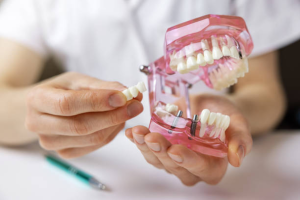
A dental bridge fills the empty space left by a missing tooth by attaching a false tooth between two dental crowns. These crowns are cemented onto the teeth next to the gap, providing stability for the replacement tooth.
How a Bridge Works
A bridge includes:
- Crowns for the supporting teeth
- A pontic (the artificial tooth)
- A structure that secures the replacement
Advantages of a Dental Bridge
Bridges are often chosen for several reasons, especially for patients who prefer a non-invasive option or may not be ready for a tooth implant. Some of the most notable advantages include:
1. Non-surgical solution
A dental bridge does not require surgery, making it suitable for patients who prefer a simpler procedure or who may not be candidates for surgical treatments. This is particularly helpful for individuals with health conditions that limit eligibility for a tooth implant. Since the process focuses on reshaping the adjacent teeth and placing a custom restoration, many people find it more comfortable and less intimidating than surgical alternatives.
2. Faster completion time (typically 1–2 weeks)
Bridges are known for their efficiency. In most cases, patients can complete the entire treatment in as little as one to two weeks. After the initial appointment, impressions are taken, and the laboratory begins fabricating the bridge. This quick turnaround makes it appealing for anyone who wants to restore their smile promptly, especially if the missing tooth is in a visible area.
3. Suitable when bone is insufficient for an implant
Some patients do not have enough bone density to support a single tooth implant Maitland, especially if the tooth has been missing for a long period. While bone grafting can help, not everyone wants or qualifies for that additional procedure. A bridge becomes an effective alternative because it does not rely on jawbone strength but rather on the condition of the surrounding teeth.
4. May be ideal if nearby teeth need crowns anyway
If the teeth adjacent to the gap are already damaged, heavily filled, or aesthetically compromised, placing a bridge can solve multiple issues at once. Since the procedure involves preparing these nearby teeth for crowns, patients benefit from improved structure, function, and appearance simultaneously. In such cases, a bridge provides full restorative value without additional treatments.
5. More affordable upfront than implants
Although longevity and maintenance differ, the initial cost of a bridge is typically lower than that of an implant. This can be beneficial for patients who need a cost-effective solution through a Dental clinic Maitland while still restoring their ability to chew, speak, and smile confidently.
Single Tooth Implant vs. Bridge: Detailed Comparison
The following table outlines the core differences to help you choose the right solution.
| Feature | Single Tooth Implant | Dental Bridge |
| Procedure | Surgical | Non-surgical |
| Aesthetic Quality | Highly natural | Natural but may vary |
| Longevity | Often 20+ years | 7–12 years |
| Impact on Adjacent Teeth | None | Requires reshaping |
| Bone Preservation | Yes | No |
| Cleaning | Brush & floss normally | Requires floss threaders |
| Stability | Excellent | Good |
| Cost Over Time | More cost-effective | May require more replacements |
Schedule a Consultation at Lumiere Orlando Dentistry
Why Many Maitland Patients Choose Implants Over Bridges
There has been a significant shift toward implants because of their structural, functional, and long-term benefits. Many patients at Lumiere Orlando Dentistry prefer implants due to their natural feel and extended lifespan.
Natural Function and Bite Strength
A tooth implant provides strength similar to a natural tooth root, allowing you to bite into a wide range of foods without worrying about movement or discomfort. Patients who choose implants often report that chewing feels stable and natural, which can improve diet variety and overall eating confidence compared with removable options or older bridge work. Because the force of chewing is transferred directly into the jawbone, implants also help distribute pressure evenly across your bite, reducing unnecessary stress on neighboring teeth.
Bone and Facial Structure Preservation
Since implants stimulate bone tissue, they prevent the bone resorption that typically follows tooth loss. This ongoing stimulation helps maintain facial symmetry, supports the cheeks and lips, and lowers the risk of a “sunken” appearance over time. By preserving jawbone height and volume, implants also create a more stable foundation for any future restorative or cosmetic dental treatment in the area.
Long-Term Stability
Implants do not compromise healthy teeth because they stand independently, so nearby teeth do not need to be reshaped or crowned for support. With proper oral hygiene and regular professional checkups, dental implants are known for long-term stability and can often last decades or even a lifetime, making them one of the most predictable restorative investments available. This combination of structural integrity and minimal impact on surrounding teeth makes implants especially appealing for patients who prioritize long-term oral health and function.
Factors to Consider Before Choosing an Implant or Bridge
Selecting the right treatment involves evaluating several health-related and practical factors.
Bone Density
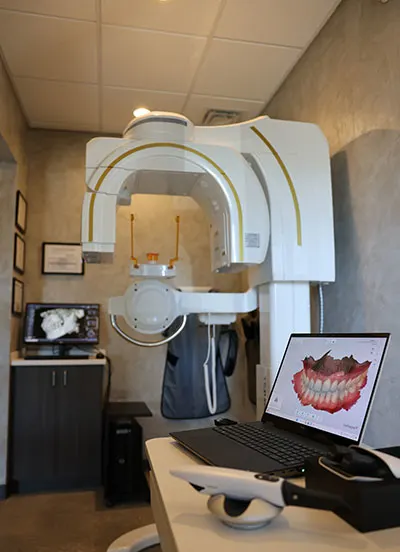
Bone volume determines whether the implant can anchor securely, so a thorough 3D scan or X-ray is often used to evaluate jawbone quality before treatment. If bone is insufficient, grafting or sinus lift procedures may be recommended to rebuild a stable foundation for a future implant.
Healing Time and Treatment Duration
Implants require several months for the titanium post to integrate fully with the jawbone, especially if bone grafting or staged procedures are needed. Bridges, on the other hand, can often be completed in just a few appointments over days or weeks, making them a faster solution for tooth replacement.
Oral Hygiene Habits
Bridges need additional cleaning techniques, such as floss threaders or interdental brushes, to remove plaque beneath the pontic and along the margins. Implants can typically be cared for with the same brushing and flossing routines used for natural teeth, which may feel more intuitive for many patients.
Health of Adjacent Teeth
If nearby teeth are healthy and unrestored, it may not be ideal to reshape them for a bridge, as this permanently removes protective enamel. In such cases, a single tooth implant allows the dentist to replace the missing tooth while keeping neighboring teeth intact.
Budget Considerations
While implants cost more upfront, they usually require fewer replacements over time, which can make them more economical in the long run. Bridges may have a lower initial fee, but they often need replacement every 7–12 years, so long-term costs can add up over a lifetime.
Step-by-Step Procedure Comparison
Implant Procedure
- Diagnostic consultation
- Surgical implant placement
- Healing and osseointegration
- Abutment installation
- Crown placement
Bridge Procedure
- Reshaping supporting teeth
- Impressions and temporary bridge
- Final bridge placement
Aftercare for Implants and Bridges
Implant Aftercare
- Brush and floss daily
- Avoid smoking
- Maintain gum health
- Attend biannual dental checkups
Bridge Aftercare
- Clean under the pontic with threaders
- Avoid overly hard foods
- Monitor gum health
- Schedule routine exams
FAQs
1. Are implants more durable than bridges?
Yes. Implants commonly last decades, while bridges last around 7–12 years.
2. Do implants look natural?
Yes. They blend seamlessly with natural teeth in color, shape, and translucency.
3. Can anyone get a tooth implant?
Most people qualify, especially with healthy gums and adequate bone.
4. Which option is better for long-term oral health?
Implants protect bone structure and surrounding teeth, making them better long-term for most patients.
5. Are bridges good if I want a quick replacement?
Yes. Bridges are often completed in days rather than months.
Conclusion
Choosing between a single tooth implant Maitland and a dental bridge depends on your oral health, comfort preference, and long-term goals. Implants provide unmatched stability, bone support, and natural function, while bridges offer a faster and non-surgical solution. The team at Lumiere Orlando Dentistry helps every patient make the right decision based on accurate diagnostics and personalized care.
Learn More About Dental Implants