

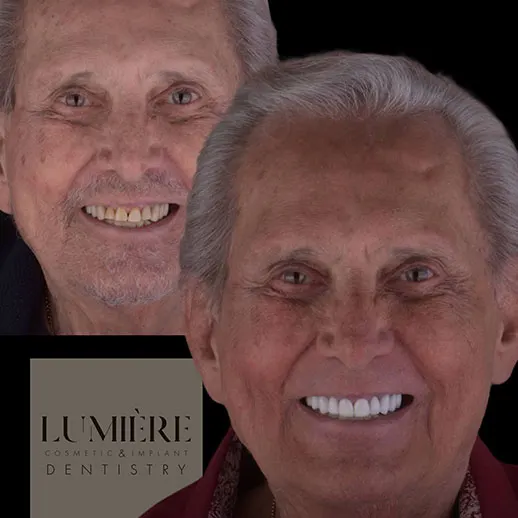



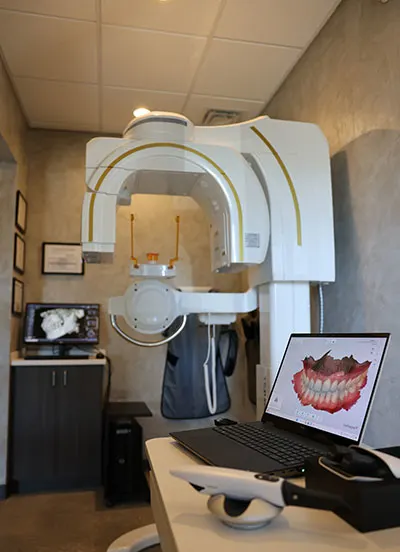
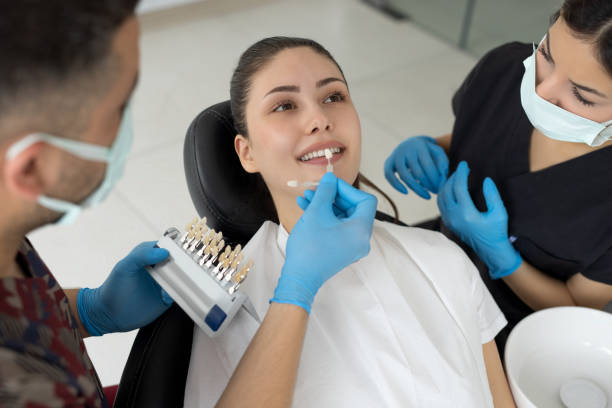
Receiving a new smile is a significant milestone, and proper aftercare ensures that the results remain strong, functional, and natural-looking for years. Whether you have chosen dental implants or veneers, the choices you make in the days and months after treatment directly influence the long-term lifespan of your restoration. Many patients at Lumiere Orlando Dentistry ask how to clean, protect and maintain their new smile following treatment. This detailed guide explains everything you need to know to support healing and keep your teeth in optimal condition.
This article provides a complete overview of implant and veneer aftercare, including cleaning routines, dietary recommendations, oral hygiene habits, lifestyle changes and warning signs to watch for. If you received dental implants Maitland or veneers for teeth Maitland, these guidelines help you understand what to expect as you heal and how to protect your investment in the long run.
Understanding the Healing Process After Dental Implants and Veneers
Healing is an important phase of any dental procedure. By understanding how the body responds, you can adjust your daily habits to support recovery and avoid unnecessary discomfort.
Healing Timeline for Dental Implants: Dental implants involves a multi-stage process. After placement, the implant needs time to integrate with the jawbone. This stage, known as osseointegration, typically takes several months. During this time, it is essential to follow your dentist’s recommendations and avoid putting excessive force on the implant.
Healing Timeline for Veneers: Veneers require a shorter healing period compared to implants. Patients may experience mild sensitivity for a few days. Once your gums adjust to the new shape of your teeth, the veneers should feel natural and comfortable.
Factors That Influence Healing: Several elements can affect how well your implants or veneers settle:
- Oral hygiene routine
- Dietary habits
- Smoking status
- Bite alignment
- Overall health and healing ability
- Compliance with dental instructions
By staying consistent with aftercare, patients who receive a single tooth implant Maitland or full arch veneer can enjoy stable, long-term results.
Book Your Implant or Veneer Checkup
Aftercare Steps for Dental Implants
Dental implants offer a durable and natural-feeling solution, but they require thoughtful aftercare to ensure proper integration and long-term health.
Short-Term Care After Implant Placement
1. Avoid Disturbing the Area: Do not touch, brush or apply pressure to the surgical site for the first 24 to 48 hours. Disturbing the implant can interrupt early healing.
2. Use Soft Foods: In the first few days, rely on softer foods such as yogurt, oatmeal, mashed potatoes and soups. This helps protect the implant from unnecessary chewing force.
3. Apply Cold Packs if Needed: Some swelling is normal. Using a cold pack for short intervals helps reduce inflammation.
4. Maintain Good Oral Hygiene: Avoid brushing the implant site initially, but continue cleaning the rest of your mouth to prevent bacteria buildup. After two to three days, you can gently clean around the implant using a soft brush.
Long-Term Care for Dental Implants
1. Brush and Floss Consistently: Implants require as much attention as natural teeth. Use a soft-bristle brush and gentle flossing tools to keep the area clean.
2. Rinse with Warm Saltwater: Saltwater rinses help soothe tissues and keep the area free of harmful bacteria.
3. Attend Regular Dental Appointments: Routine checkups at Lumiere Orlando Dentistry help identify early signs of complications and ensure the implant remains stable.
4. Avoid Smoking: Smoking increases the risk of implant failure by interfering with bone healing.
5. Protect Your Teeth from Excessive Force: If you grind your teeth at night, a custom night guard is recommended to prevent damage to the implant crown.
Aftercare Steps for Veneers
In the first few weeks, be gentle with your new veneers by brushing twice daily with a soft-bristled toothbrush and non-abrasive toothpaste, and flossing carefully to keep the gumline clean without tugging at the edges of the veneers.
Immediate Aftercare for Veneers
- Be Cautious with Temperature: Your teeth may be sensitive to hot or cold foods. This typically resolves as the nerves adapt.
- Avoid Hard or Sticky Foods: Hard foods like nuts or ice, and sticky foods like caramel can exert pressure on veneers and increase the risk of detachment.
- Soft Brushing Techniques: Brush gently around the gumline to protect the veneer’s bonding margins.
Long-Term Veneer Maintenance
- Use Non-Abrasive Toothpaste: A mild formula helps protect the smooth surface of veneers and prevents surface scratches.
- Wear a Night Guard if Needed: People who grind their teeth are at greater risk of veneer chipping. A guard provides essential protection.
- Avoid Using Teeth as Tools: Opening packages or biting nails can damage veneers.
- Schedule Regular Cleanings: Professional cleaners keep veneers looking natural and ensure surrounding teeth remain healthy.
Eating, Drinking and Lifestyle Habits to Support Your New Smile
What you consume and the daily habits you maintain play a major role in the longevity of dental implants and veneers. Even though these restorations are designed to be durable, they still rely on the health of your gums, bone structure, and surrounding natural teeth. By making mindful choices, you can significantly reduce the risk of complications and maintain the aesthetics of your new smile.
Soft Foods During Early Healing
During the initial days after receiving a dental implant, your jawbone and gums are in a sensitive phase. Soft foods help prevent pressure on the implant post, lowering the chance of irritation or early movement. Options such as scrambled eggs, smoothies, mashed vegetables, and protein shakes provide nutrition without straining the healing site. These foods also make chewing easier, reduce discomfort, and help maintain energy levels while your body focuses on tissue repair and bone integration.
Introduce Firmer Foods Gradually
Once discomfort has decreased, you can slowly reintroduce firmer foods. Chewing primarily on the opposite side of the implant helps distribute pressure evenly. Patients with veneers can also follow this approach, especially if multiple veneers were placed at once. Start with tender meats, soft rice, or cooked vegetables, and avoid biting directly into hard foods until your dentist confirms proper healing and stability.
Limit Dark-Colored Beverages
Coffee, tea, and red wine can stain nearby natural teeth even though veneers themselves are highly stain resistant. This can create uneven color contrast over time. Using a straw can help minimize contact with the teeth. Rinsing with water immediately afterward also reduces the chances of discoloration. Brushing after 30 minutes further protects enamel and helps maintain a uniform, brighter smile appearance.
Avoid Excess Sugar
Sugar fuels harmful bacteria, leading to decay, gum inflammation, and plaque buildup. For patients with implant crowns or veneers, this bacterial activity can irritate gum margins and compromise long-term stability. Choosing fruits, whole grains, and unsweetened drinks helps maintain oral balance. Reducing sugary snacks also lowers the risk of peri-implantitis and supports healthier gums, which are essential for long-lasting dental restorations.
Stay Mindful of Acidic Foods
Citrus fruits, carbonated drinks, and certain dressings can erode enamel on natural teeth near veneers or implants. While veneers themselves resist erosion, the underlying natural tooth structure does not. Limiting acidic foods protects the integrity of your smile. When consuming acidic items, rinse with water afterward and wait before brushing to prevent further enamel wear and sensitivity around treated areas.
Oral Hygiene Habits
Maintain a gentle but thorough routine: brush with a soft-bristled toothbrush and non-abrasive fluoride toothpaste, floss carefully around your implants and veneers, and finish with an alcohol-free antibacterial mouthwash to keep your gums healthy and protect your new smile every day. Consistent daily care helps prevent infection, reduces inflammation, and supports the long-term success of both implants and cosmetic restorations.
Brush Twice Daily
Maintaining consistency with brushing is one of the most effective ways to protect both natural teeth and restorations. A soft-bristled brush reduces trauma to gums and preserves the smooth surface of veneers. Using small circular motions also ensures better plaque removal around implants. Brushing for a full two minutes twice a day helps prevent bacterial buildup and keeps gum tissue firm and healthy.
Floss Carefully
Traditional floss works well, but implant patients may benefit from floss picks designed specifically for wider implant spaces. Instead of forcing floss down, guide it gently to prevent gum irritation. Curve the floss around the implant crown and slide it under the gumline to remove trapped debris while protecting delicate healing tissues.
Use Antibacterial Mouthwash
An alcohol-free antibacterial rinse reduces plaque, especially in hard-to-reach areas around implants. Patients with veneers also benefit from mouthwash to help control bacteria along the gumline, which supports long-term gum stability. Regular use can also reduce bad breath, soothe inflamed gums, and enhance overall oral freshness without causing dryness or irritation.
Consider Water Flossers
Water flossers provide an additional layer of cleaning, especially for patients with multiple implants or tight spaces. The pulsed water flow helps remove food debris without damaging the implant structure. They are particularly helpful for individuals with limited dexterity or orthodontic appliances, making daily cleaning easier and more comfortable.
Replace Toothbrushes Regularly
A worn-out brush can become abrasive and ineffective. Replacing it every three months—or sooner if bristles appear frayed keeps cleaning efficient and gentle. Old toothbrushes can harbor bacteria, reducing hygiene effectiveness and increasing the risk of gum irritation around implants and veneers.
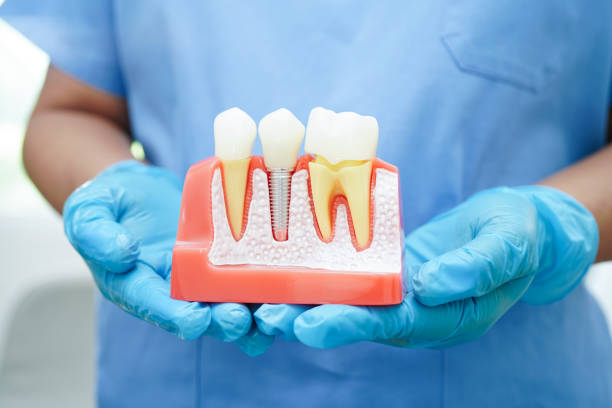
Key Differences in Aftercare for Implants and Veneers
| Aftercare Element | Dental Implants Maitland | Veneers for Teeth Maitland |
| Healing Time | Weeks to months | Days to one week |
| Early Sensitivity | Moderate | Mild |
| Recommended Diet | Soft foods initially | Avoid very hard foods |
| Hygiene Requirements | Brush, floss, saline rinses | Brush with non-abrasive toothpaste |
| Risk Factors | Smoking, poor hygiene | Grinding, abrasive products |
| Long-Term Care | Regular checkups, night guards | Professional cleanings, wear protection |
Warning Signs That Require Professional Attention
Both implants and veneers are highly successful in dental treatments. However, certain symptoms should prompt you to seek immediate dental care. Persistent pain, swelling, or redness around the implant or veneer site may indicate infection or improper healing. Bleeding that does not subside, gum recession, or a loose implant crown should never be ignored. Unusual sensitivity, changes in bite alignment, or visible cracks in veneers can signal underlying issues requiring timely evaluation.
Signs Related to Dental Implants
Persistent Pain: Mild discomfort is normal, but ongoing or increasing pain may indicate infection.
Mobility: Any movement of the implant is a concern and should be evaluated immediately.
Swelling or Pus: Gum redness, swelling or discharge can indicate peri-implant disease.
Signs Related to Veneers
Chipping or Cracking: Even minor chips should be assessed to avoid further damage.
Gum Irritation: Inflamed gums around veneers may require adjustment or cleaning.
Discoloration at the Edges: Changes in color could suggest bonding issues or buildup of plaque.
Long-Term Benefits of Proper Aftercare
Maintaining your oral hygiene and following professional guidance offers several advantages:
- Longer lifespan of veneers and implants
- Better gum health
- Reduced risk of infection or complications
- Maintaining aesthetics and chewing function
- Enhanced confidence in your smile
Patients who follow proper routines often enjoy durable, natural-looking results for decades. Lumiere Orlando Dentistry emphasizes preventive care to help patients maximize the longevity of their restorations.
FAQs
1. How long do dental implants take to heal completely?
Healing varies, but most implants take several months to integrate fully with the bone. Discomfort usually improves within a week.
2. Are veneers permanent?
Veneers are long-lasting but may require replacement after many years due to wear or changes in gum tissue.
3. Can a single tooth implant Maitland function like a natural tooth?
Yes. Once healed, a single tooth implant provides stable chewing function and looks natural.
4. Is sensitivity normal after veneers?
Mild temperature sensitivity is common and typically resolves within days.
5. How do I keep veneers looking bright?
Maintain regular cleanings, avoid staining foods when possible and use a non-abrasive toothpaste to protect the veneer surface.
Conclusion
Investing in your smile requires commitment, especially during the healing phase. Whether you received dental implants Maitland or veneers for teeth Maitland, you can protect your new smile by adopting consistent oral hygiene habits, modifying your diet during healing and staying attentive to any changes. Long-term success depends on the quality of care you provide at home and through routine dental visits. For personalized guidance or to schedule follow-up care, feel free to contact us at any time. Lumiere Orlando Dentistry is dedicated to helping you maintain healthy, functional, and long-lasting dental results.
Schedule Your Follow-Up Appointment