

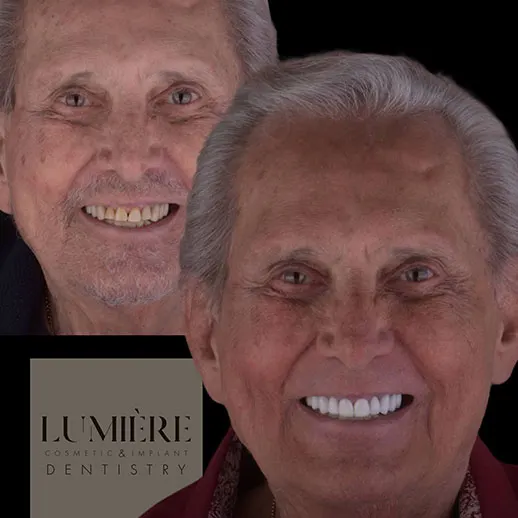




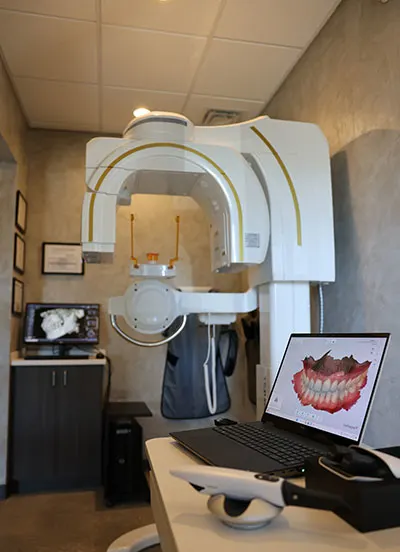
Missing teeth can significantly affect your quality of life, impacting your confidence, speech, and ability to chew properly. Modern dentistry offers reliable solutions like dental implants to restore function and appearance. At Lumiere Orlando Dentistry, patients can explore a variety of options, including single tooth implants and full mouth dental implants, to regain their smile and oral health.
Dental implants are titanium posts placed into the jawbone to mimic natural tooth roots. They act as a strong foundation for replacement teeth, including crowns, bridges, or dentures. Over time, they fuse with the jawbone through a process called osseointegration, ensuring stability, durability, and a natural feel. This blog will guide you through everything you need to know about dental implants, including types, benefits, procedure, recovery, candidacy, and expert advice from dental implants specialists.
What Are Dental Implants?
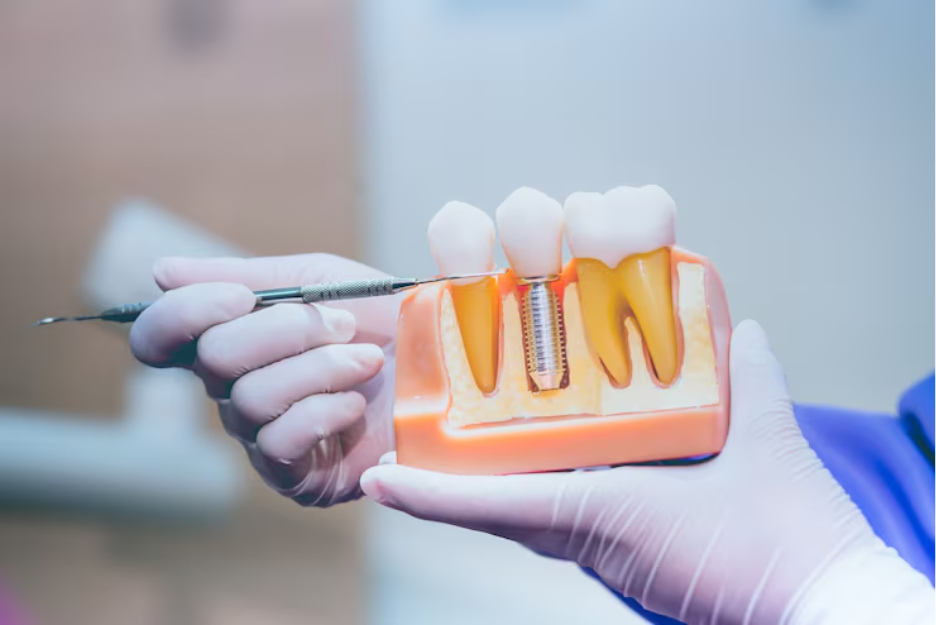
Dental implants are artificial tooth roots that provide a permanent base for replacement teeth. Unlike dentures or bridges, which rest on the gums, implants are anchored directly into the jawbone, offering unmatched stability and comfort.
The main components of a dental implant include:
1. Implant Post: A titanium or zirconia screw inserted into the jawbone.
2. Abutment: A connector placed on the implant post to hold the crown or prosthesis.
3. Crown, Bridge, or Denture: The visible replacement teeth attached to the abutment.
You can learn more about the process at Lumiere Orlando Dentistry’s dental implants page.
Dental implants can replace a single missing tooth, several teeth, or an entire arch. Full mouth dental implants are ideal for patients with multiple missing teeth or severe dental issues affecting most of the mouth.
How Dental Implants Work
Dental implants involve a multi-stage process designed to ensure the best long-term results. Each step is crucial for success:
1. Surgical Placement
The procedure begins with the surgical placement of a titanium post into the jawbone. This acts as a stable foundation for the new tooth or teeth.
2. Osseointegration
After placement, the jawbone gradually fuses with the implant in a natural process called osseointegration. This phase typically takes several months and is essential for the implant’s stability.
3. Abutment Placement
Once osseointegration is complete, a small connector called an abutment is attached to the implant post. The abutment will hold the artificial tooth, bridge, or denture in place.
4. Crown or Prosthesis
Finally, a custom-made crown, bridge, or denture is securely attached to the abutment. This restoration looks, feels, and functions like a natural tooth.
For an in-depth overview, check What to Expect with Dental Implants.
Types of Dental Implants
Selecting the right type of implant depends on your oral health and specific needs. The main types include:
| Type of Implant | Description | Common Use |
| Endosteal Implants | Screw-shaped titanium posts inserted directly into the jawbone | Most common for single or multiple missing teeth |
| Zirconia Implants | Ceramic alternative to titanium | Ideal for single-tooth replacement or bridge support |
| Full-Mouth Dental Implants | Multiple implants supporting an entire arch | Replacing all upper or lower teeth |
Full mouth dental implants are particularly effective for patients with extensive tooth loss, offering full-function and aesthetic restoration.
Benefits of Dental Implants
Dental implants offer several advantages over traditional tooth replacement options:
1. Improved Appearance: Implants are designed to look and feel like natural teeth, restoring confidence in your smile.
2. Enhanced Function: Patients can eat, chew, and speak without discomfort or slipping, unlike removable dentures.
3. Durability and Longevity: With proper care, dental implants can last for decades.
4. Bone Preservation: Implants stimulate the jawbone, preventing the bone loss associated with missing teeth.
5. Preserves Surrounding Teeth: Bridges may require altering adjacent teeth, but implants maintain surrounding tooth structure.
Dental implant specialists can help patients choose the most suitable treatment for single teeth, multiple teeth, or a full mouth.
Single Tooth Implants vs. Full-Mouth Dental Implants
Choosing the right dental implant solution depends on how many teeth need replacement and your oral health condition, as well as your jawbone density and overall health.
Single Tooth Implants
Single-tooth implants are used to replace one missing tooth. The procedure involves placing one implant post, an abutment, and a crown. This solution is ideal for patients with isolated tooth loss and provides stability without affecting adjacent teeth.
Learn more about single tooth implants at Dental Implants.
Full-Mouth Dental Implants
Full-mouth dental implants replace an entire arch of teeth using several implant posts to support bridges or dentures. This approach is suitable for patients with extensive tooth loss, severe decay, or failing dentures.
Patients considering full-mouth solutions can visit Full-Mouth Dental Implants to explore options and see the benefits.
The Dental Implant Procedure
The dental implant process includes multiple steps:
- Consultation and Planning: A thorough assessment of oral health, bone density, and overall health is performed.
- Surgery: The implant post is surgically placed into the jawbone.
- Healing and Osseointegration: The jawbone fuses with the implant over several months.
- Prosthesis Placement: A crown, bridge, or denture is attached to the abutment.
- Aftercare: Mild discomfort is normal after surgery and can be managed with medications and proper oral hygiene.
For candidacy evaluation, visit Am I a Candidate?.
Recovery and Aftercare
Recovery depends on the complexity of the implant procedure:
1. Eat soft foods for the initial days.
2. Maintain oral hygiene using gentle brushing and flossing.
3. Attend follow-up appointments to monitor healing and integration.
4. Take prescribed medications for pain management and infection prevention.
Full-mouth implants may require a longer healing period due to multiple implants being placed at once.
Who Is a Candidate for Dental Implants?
Dental implants are suitable for many patients, provided they meet certain criteria:
1. Bone Density: Adequate jawbone is necessary to support the implant. Bone grafts may be recommended for patients with insufficient bone.
2. Healthy Gums: Healthy soft tissues are essential for implant success.
3. Good Overall Health: Chronic conditions like uncontrolled diabetes may affect healing.
Learn more about candidacy at Am I a Candidate?.
Advantages of Consulting Dental Implant Specialists
Dental implant specialists have advanced training to ensure optimal results:
1. Accurate placement reduces the risk of complications.
2. Expertise ensures natural aesthetics and function.
3. Customized treatment plans are available for single tooth or full-mouth implants.
Specialists provide the guidance necessary to restore your smile with confidence.
Cost Considerations
The cost of dental implants varies based on:
1. Number of implants (single vs. full-mouth).
2. Implant material (titanium or zirconia).
3. Additional procedures like bone grafting.
4. Expertise of the dental specialist.
Although initial costs are higher than dentures or bridges, implants are more durable and often more cost-effective over time.
Comparison of Tooth Replacement Options
| Option | Pros | Cons | Longevity |
| Single Tooth Implant | Preserves bone, natural appearance | Higher cost, surgical procedure | 15-25+ years |
| Full-Mouth Implants | Restores full arch, stable, preserves bone | More extensive surgery, higher cost | 15-30+ years |
| Traditional Dentures | Lower upfront cost, non-surgical | Less stable, bone loss over time | 5-10 years |
| Dental Bridges | Fixed, aesthetic | Alters adjacent teeth, bone loss at site | 10-15 years |
Frequently Asked Questions (FAQs)
1. How long do dental implants last?
With proper care, implants can last 15-30 years or longer. Regular dental check-ups help maintain their longevity.
2. Is the procedure painful?
Patients may experience mild discomfort or swelling post-surgery, manageable with medications.
3. Can anyone get full-mouth implants?
Candidates must have sufficient bone density, healthy gums, and overall health to support healing. Bone grafts may expand eligibility.
4. How long is recovery?
Single-tooth implants usually take a few months, while full-mouth implants may take 4-6 months for complete osseointegration.
5. Titanium vs. Zirconia: What’s the difference?
Titanium is highly successful and widely used; zirconia is metal-free and suitable for certain patients.
6. Will dental implants improve chewing and speech?
Yes. Implants function like natural teeth, allowing normal eating and speaking.
Conclusion
Dental implants offer a long-term, functional, and aesthetic solution for missing teeth. From single tooth implants to full-mouth dental implants, patients can restore their smiles, maintain jawbone health, and enjoy improved oral function.
Consulting experienced dental implant specialists is essential to determine the best treatment for your individual needs. Explore your options and book a consultation today at Lumiere Orlando Dentistry.