



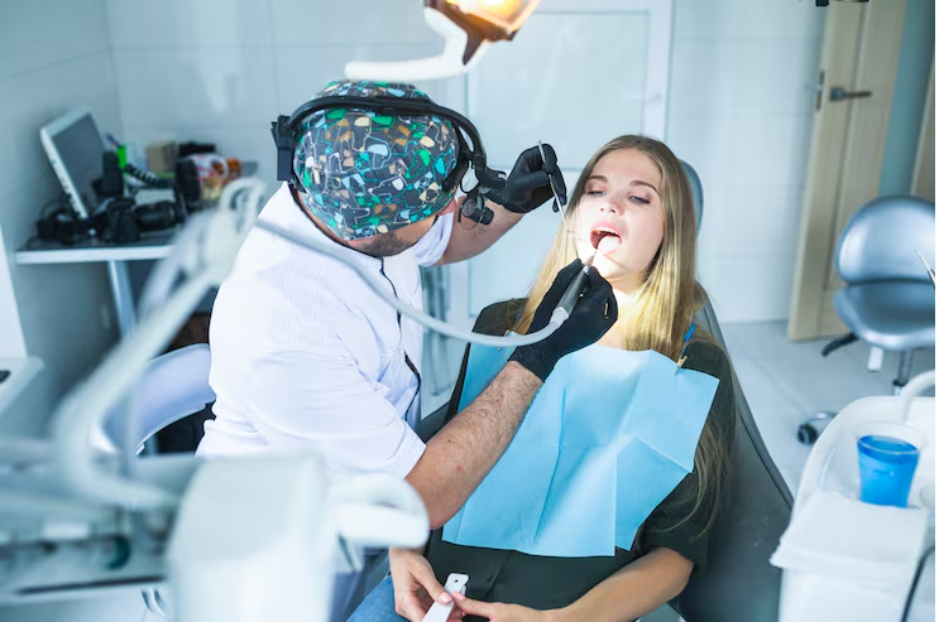
When it comes to dental care, modern techniques are increasingly focusing on preserving natural tooth structure rather than relying solely on restorative procedures. Lumiere Orlando Dentistry in Maitland is at the forefront of this approach, offering advanced solutions that prioritize long-term oral health and functionality. Among these techniques, biomimetic dentistry stands out for its ability to repair teeth in a way that mimics their natural structure, function, and appearance.
This article explores the principles, methods, and benefits of biomimetic dentistry, highlighting why preservation matters more than restoration and how patients can benefit from this minimally invasive approach.
What is Biomimetic Dentistry?
Biomimetic dentistry is a modern restorative dental approach that aims to replicate the natural properties of teeth. Unlike traditional dental procedures that may require extensive drilling or the placement of large crowns, biomimetic dentistry uses advanced materials and techniques to repair teeth while conserving as much of the healthy tooth structure as possible.
By focusing on the preservation of natural teeth and enhancing their strength and longevity, biomimetic dentistry helps prevent common dental problems such as sensitivity, decay, and the need for root canals. This approach is particularly beneficial for patients in Maitland seeking durable, natural-looking restorations without unnecessary tooth removal. Learn more about our biomimetic dentistry services in Maitland.
Key Principles of Biomimetic Dentistry
Biomimetic dentistry is based on a few core principles that distinguish it from conventional restorative approaches:
1. Preservation of Tooth Structure
The central goal is to save as much natural tooth structure as possible. Instead of removing large portions of the tooth to fit traditional crowns or fillings, biomimetic restorations target only the damaged areas, leaving the healthy tissue intact. Preserving tooth structure ensures that the tooth retains its natural strength and reduces the risk of fractures in the future.
2. Mimicry of Natural Teeth
Restorations are designed to replicate the biomechanical, functional, and aesthetic properties of natural teeth. This includes reproducing the tooth’s original shape, flexibility, and occlusion (how teeth meet when biting). Biomimetic restorations are virtually indistinguishable from natural teeth, maintaining both function and appearance.
3. Strong Bonding
Advanced adhesive materials are used to create a robust bond between the restoration and remaining tooth structure. This bond reinforces the tooth’s integrity, making it stronger than traditional restorations and less prone to failure over time.
4. Minimally Invasive Techniques
Biomimetic dentistry emphasizes minimal intervention. Procedures are carefully designed to avoid unnecessary removal of healthy tissue. Techniques such as onlays, inlays, and composite bonding replace damaged areas without compromising the tooth’s vitality.
How Biomimetic Dentistry Works
Understanding how biomimetic dentistry works helps patients appreciate its benefits and how it differs from traditional approaches.
Understanding Natural Teeth
Dentists studying biomimetic dentistry focus on the natural structure of teeth, including enamel, dentin, and the pulp. Understanding how these components function together allows for restorations that closely mimic natural biomechanics.
Use of Advanced Materials
Modern adhesive materials, including resin composites and ceramics, are carefully selected to bond with the natural tooth structure. These materials replicate the flexibility and strength of natural enamel, reducing the risk of cracks or failures.
Minimally Invasive Restorations
Instead of preparing a tooth for a full crown, biomimetic dentistry often uses onlays or partial restorations that preserve healthy tooth tissue. This approach avoids unnecessary drilling, preserves pulp vitality, and enhances durability. Learn more about our biomimetic restorations.
Preserving Vitality
By conserving tooth structure and avoiding aggressive removal, biomimetic dentistry keeps the pulp—the inner part of the tooth containing nerves and blood vessels—alive and healthy. This significantly reduces the likelihood of future complications, such as root canals.
Benefits of Biomimetic Dentistry
Choosing biomimetic dentistry offers a wide range of advantages:
| Benefit | Description |
| Preserves Tooth Structure | Less drilling and removal of healthy tissue, maintaining natural strength. |
| Enhances Durability | Advanced materials and bonding techniques increase longevity. |
| Reduces Sensitivity | Minimizes post-treatment discomfort common in traditional restorations. |
| Prevents Root Canals | By keeping the pulp healthy, future invasive procedures are often avoided. |
| Maintains Aesthetics | Restorations blend seamlessly with natural teeth for a realistic appearance. |
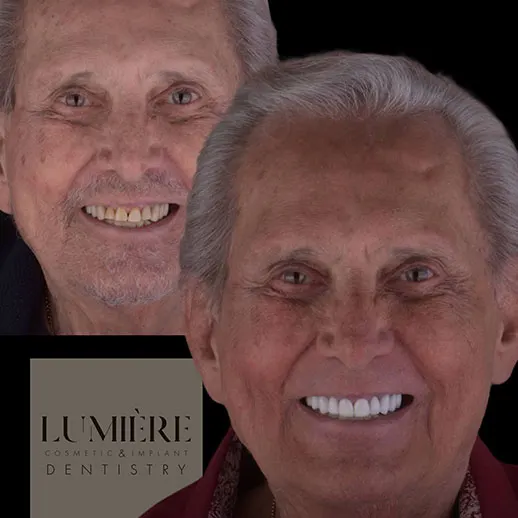
These benefits collectively improve oral health, function, and long-term satisfaction. Patients can restore damaged teeth without compromising their natural strength or appearance. To see real-life examples, explore our before and after gallery.
Biomimetic Dentistry vs. Traditional Dentistry
It is essential to understand how biomimetic dentistry differs from traditional restorative approaches:
Traditional Dentistry
1. Often requires extensive removal of healthy tooth structure for crowns and fillings.
2. Can lead to weakened teeth over time due to aggressive drilling.
3. May increase the likelihood of root canals or future replacements.
Biomimetic Dentistry
1. Focuses on minimal intervention and preservation.
2. Uses advanced materials for strong and long-lasting bonding.
3. Maintains pulp vitality, reducing future complications.
For a comprehensive overview of all dental services, visit our services page.
Common Biomimetic Dentistry Procedures
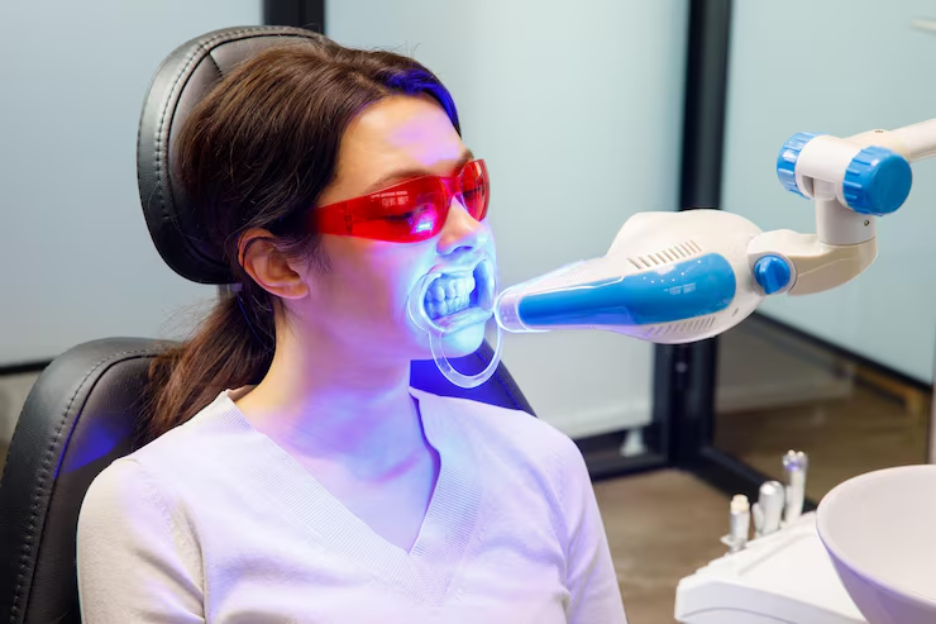
Biomimetic dentistry uses minimally invasive procedures like onlays, inlays, and composite bonding to restore damaged teeth while preserving as much natural structure as possible. These techniques focus on durability, aesthetics, and maintaining tooth vitality.
Onlays and Inlays
These partial restorations are designed to replace only the damaged portion of the tooth. Unlike full crowns, onlays and inlays preserve the majority of the tooth and restore strength and function.
Composite Bonding
Bonding uses tooth-colored resin to repair minor damage or decay. It is a minimally invasive solution that enhances both aesthetics and durability.
Advanced Adhesive Restorations
These techniques rely on high-strength adhesive materials to securely bond restorative material to natural teeth. This approach creates a restoration that functions similarly to a healthy tooth.
To schedule a consultation and learn which procedure is best suited for your needs, complete our survey form.
Biomimetic Dentistry in Maitland: Why Location Matters
Patients in Maitland and surrounding areas benefit from access to advanced dental technologies that prioritize preservation. At Lumiere Orlando Dentistry, our team specializes in biomimetic dentistry in Maitland, offering patients a minimally invasive alternative to traditional restorations. This ensures longer-lasting results and a healthier smile for years to come.
The Longevity of Biomimetic Restorations
Biomimetic restorations are designed to last for decades with proper care. The combination of strong bonding, preservation of tooth structure, and high-quality materials ensures durability. Patients are less likely to experience fractures, sensitivity, or the need for further invasive procedures.
Proper oral hygiene and regular dental visits are critical to maintaining these restorations. Explore our full range of services for ongoing dental care here.
Frequently Asked Questions About Biomimetic Dentistry
1. What is biomimetic dentistry?
Biomimetic dentistry is a minimally invasive approach to dental restoration that preserves natural tooth structure while restoring function and aesthetics using advanced materials.
2. How is it different from traditional dentistry?
Unlike traditional methods that often require full crowns and significant tooth removal, biomimetic dentistry focuses on preserving healthy tissue and maintaining pulp vitality.
3. Are biomimetic restorations long-lasting?
Yes. With proper oral care, these restorations can last decades due to strong bonding and durable materials.
4. Is the procedure painful?
Biomimetic dentistry is minimally invasive, reducing discomfort during and after treatment. Most patients report less sensitivity compared to traditional procedures.
5. Can it prevent root canals?
By preserving the pulp and avoiding aggressive drilling, biomimetic dentistry significantly reduces the likelihood of needing a root canal in the future.
6. Where can I find biomimetic dentistry services in Maitland?
You can find specialized services at Lumiere Orlando Dentistry, where experts focus on preservation and minimally invasive restorative techniques.
Conclusion
Biomimetic dentistry represents a paradigm shift in restorative dental care, prioritizing the preservation of natural tooth structure while delivering long-lasting, aesthetically pleasing results. By mimicking natural teeth and employing advanced materials and minimally invasive techniques, this approach enhances durability, reduces sensitivity, and minimizes the need for more invasive procedures like root canals.
Patients in Maitland seeking sustainable and effective dental solutions can benefit greatly from biomimetic dentistry at Lumiere Orlando Dentistry, where every restoration is designed to maintain vitality, strength, and beauty.
For more information or to explore your options, visit our biomimetic dentistry page and complete our survey to start your journey toward a healthier, stronger smile.